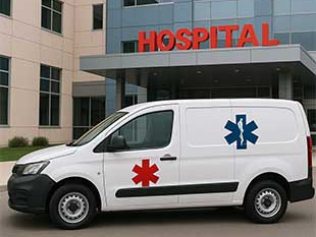
Fertility medicine operates in a space where science, emotion, and trust intersect. For many patients, the embryos stored inside a laboratory freezer represent years of treatments, repeated cycles, financial sacrifices, and sometimes their final opportunity to become parents.
When those embryos need to move between clinics or laboratories, the responsibility shifts beyond the medical team. The courier handling that shipment becomes part of the patient’s journey.
In California, fertility clinics are seeing a steady increase in transfers of embryos, eggs, and sperm between facilities. Patients relocate, second opinions are sought, and specialized procedures often require samples to move between cities such as San Francisco, Los Angeles, San Diego, and Sacramento.
As this movement increases, clinic directors are asking a critical question: can standard medical courier networks be trusted with material this sensitive?
Many clinics are concluding the answer is no.
That is why demand for a specialized fertility clinic courier California, clinics can rely on is growing rapidly. Instead of using generic medical delivery providers, many fertility centers are turning to TSA-certified, same-day cryogenic courier services built specifically for transporting reproductive materials.
This shift is not driven by convenience. It is driven by risk.
One mishandled embryo transfer can end a patient’s IVF journey permanently. Unlike pharmaceuticals or laboratory supplies, these shipments cannot simply be reordered.
Understanding why clinics are changing their courier standards requires a closer look at what makes embryo and gamete transport fundamentally different from other medical logistics.
Why Standard Medical Couriers Aren’t Enough
At first glance, transporting reproductive material may seem similar to other medical courier tasks. In reality, fertility shipments operate under completely different constraints.
Three factors make embryo and gamete transport one of the most delicate logistics processes in modern medicine.
Temperature Is Absolute, Not Approximate
Frozen embryos, eggs, and sperm are stored in cryogenic environments maintained at temperatures close to –196°C using liquid nitrogen.
At this temperature, biological processes essentially pause, allowing reproductive cells to remain viable for many years.
However, this stability depends entirely on maintaining constant cryogenic conditions.
Even minor temperature fluctuations can introduce microscopic ice crystal formation inside cells. These crystals can damage cell membranes and compromise the viability of embryos or gametes.
Unlike refrigerated pharmaceuticals, which may allow a temperature range of 2°C to 8°C, cryogenic reproductive materials have almost zero tolerance for deviation.
This is why clinics rely on cryogenic specimen courier same day California services that use specialized dry shippers capable of maintaining ultra-low temperatures throughout transit.
No Replacement for Fertility Shipment
When pharmaceutical shipments are lost or damaged, the manufacturer can send another batch. Fertility shipments do not offer that safety net.
Many embryo transfers involve:
- embryos created after multiple IVF cycles
- eggs retrieved after years of fertility treatment
- sperm samples preserved before medical procedures such as chemotherapy
In many cases, the shipment contains irreplaceable reproductive material. For this reason, embryo transport is typically executed under a single-custody courier model, where one trained courier maintains continuous control of the cryogenic container from pickup to delivery. This approach eliminates third-party handoffs and ensures a documented chain of custody throughout the transport process.
The shipment is not transferred between drivers, distribution hubs, or third-party carriers.
The Patient Is Watching
Fertility treatment involves deep emotional investment from patients. Every stage of the process is carefully monitored. Patients ask detailed questions about lab procedures, storage conditions, and embryo grading.
When a clinic transfers embryos between facilities, patients expect the same level of professionalism from the courier handling the transport.
Using an untrained or gig-economy courier introduces reputational risk for clinics. Patients want reassurance that their embryos are being transported by professionals who understand the importance of the material they are carrying.
Inside Cryogenic Specimen Transport – Equipment, Protocols, and Compliance
Embryo transport logistics involve more than simply moving a container from one laboratory to another.
Proper transport requires specialized equipment, documented protocols, and regulatory compliance. Clinic directors evaluating an IVF sample courier California provider should understand the components of a compliant cryogenic transport process.
Cryogenic Dry Shippers
Embryos and gametes are transported using cryogenic dry shippers, specialized containers designed to maintain extremely low temperatures.
Inside the container, absorbent materials hold liquid nitrogen in vapor form. This allows the container to maintain cryogenic temperatures while preventing liquid spills during transport.
These containers are specifically engineered to:
- maintain stable internal temperatures
- prevent nitrogen leakage
- protect the specimen from vibration or impact
Dry Shipper Validation
High-quality dry shippers are validated to maintain temperature for extended periods, often up to 21 days under controlled conditions.
Although most embryo transfers occur within hours, this extended hold time provides an important safety margin.
Any courier providing embryo transport logistics TSA certified services should be able to confirm the validation specifications of their cryogenic containers.
Monitoring and Tracking
Modern cryogenic shipments often include monitoring devices that track environmental conditions throughout transit.
Typical monitoring tools include:
- temperature sensors
- electronic data loggers
- GPS tracking systems
These tools allow clinics to verify that the specimen remained within acceptable conditions during the entire journey.
Documentation and Compliance
Embryos fall under the regulatory category of human cells and tissue products, meaning their handling and transfer must comply with applicable regulatory standards.
As a result, courier partners must maintain:
- documented chain-of-custody procedures
- proper packaging and labeling standards
- trained personnel handling biological materials
Insurance coverage is also critical. Specialized medical courier insurance protects clinics against loss or damage during transport, ensuring there is financial protection in the unlikely event of an incident.
Minimum Equipment Checklist for Embryo Transport
A professional embryo transport provider should meet the following standards:
- Validated dry shipper with extended hold time
- Real-time temperature monitoring
- GPS tracking of the shipment
- Single courier handling the shipment directly
These safeguards ensure that cryogenic materials remain protected from the moment they leave the originating clinic until they arrive at the receiving facility.
Why TSA-Certified Couriers Are Becoming the Gold Standard for Fertility Clinic Transport
One of the biggest changes in fertility logistics over the past few years has been the growing demand for TSA-certified medical couriers.
While TSA certification is traditionally associated with airport security and aviation logistics, its principles translate directly into high-security medical transportation.
For fertility clinics, TSA-certified couriers provide several advantages.
Verified Identity and Credentials
TSA-certified drivers carry verified photo identification and undergo credential verification processes.
For clinics operating in secure facilities, this reduces access delays and ensures that only verified personnel handle sensitive shipments.
Professional Handling Standards
TSA-trained couriers are accustomed to working with sensitive and high-value cargo under strict procedures.
This training emphasizes:
- secure chain-of-custody
- careful cargo handling
- documentation accuracy
These skills align closely with the requirements of embryo and gamete transport.
Operational Accountability
Uniformed and credentialed couriers provide an added level of professionalism when arriving at clinics or laboratories.
Staff can easily verify the courier’s identity and credentials, which strengthens trust in the logistics process.
Neonline’s TSA-certified couriers are trained specifically to handle sensitive biological materials, ensuring that embryo shipments receive the same level of care and accountability as other high-security medical cargo.
Why Same-Day Delivery Isn’t Optional for Fertility Clinics
Speed is not simply a convenience in fertility logistics. In many cases, it is a biological requirement. Fresh reproductive samples, such as donor eggs or sperm, must reach laboratories quickly to preserve viability.
Even frozen embryos benefit from shorter transit times.
While cryogenic containers can maintain temperature stability for extended periods, minimizing transit time reduces potential risks associated with transport.
California’s geography makes same-day courier services particularly important.
Many fertility patients undergo treatment in one city while storing embryos in another. Transfers frequently occur between:
- San Francisco and Los Angeles
- San Diego and Los Angeles
- Sacramento and Bay Area clinics
These distances are ideal for cryogenic specimen courier same day California services that specialize in direct medical transport.
Neonline Logistics supports clinics across California with expedited delivery routes designed specifically for time-sensitive reproductive material.
Shipments are handled by a single courier traveling directly between facilities without additional stops or transfers.
Three Courier Failures That Cost California Fertility Clinics Patients and Reputation
Most clinics only discover weaknesses in their courier process after a problem occurs. Unfortunately, by that point the consequences can be severe. Three courier failures appear most often in fertility logistics.
Temperature Excursions
Shared courier routes can introduce unnecessary risk. Repeated vehicle door openings, excessive movement of containers, or prolonged transit times can affect cryogenic stability.
If temperature logs later show deviations, embryo viability may become uncertain. Clinics then face the difficult responsibility of explaining the situation to patients.
Missing Chain-of-Custody Documentation
Some courier companies provide little more than a delivery receipt. For fertility shipments, this is not enough.
Clinics must be able to document:
- when the shipment left the facility
- who handled it during transport
- environmental conditions throughout transit
Without this information, clinics may struggle to defend themselves in the event of patient concerns or regulatory review.
Facility Access Delays
Many clinics operate in secure medical buildings. If a courier arrives without proper credentials, access delays can occur. Even short delays may expose the specimen to unnecessary environmental changes.
TSA-certified couriers reduce this risk by carrying verified identification and following established facility access procedures.
For patients undergoing fertility treatment, every embryo transfer represents hope. They trust clinics to protect that hope at every stage of the process.
When embryos leave the laboratory for transport, that responsibility extends to the courier handling the shipment.
The right logistics partner brings together three essential elements:
- cryogenic transport expertise
- same-day delivery capability
- TSA-certified professional couriers
Clinics that prioritize these standards protect both their patients and their reputation.
Neonline Logistics works with fertility clinics and embryology laboratories throughout California, providing white-glove cryogenic courier services with TSA-certified drivers, real-time tracking, and full insurance coverage.
Our team operates 24/7/365, supporting same-day embryo and gamete transport with the care and professionalism these shipments demand. Because for your patients, there is no second chance.
Request a Same-Day Quote or Speak with Our Team today.
Five Questions Every California Fertility Clinic Should Ask Before Choosing a Courier
Selecting a courier partner for reproductive material transport requires careful evaluation. Clinic operations teams should ask the following questions before making a decision.
Are your couriers TSA-certified?
Credentialed couriers provide higher accountability and professional handling standards.
Can you provide real-time temperature monitoring and GPS tracking?
Clinics should have access to documented environmental data for every shipment.
Is transport handled directly without additional stops?
Direct routing reduces the risk of delays and chain-of-custody gaps.
What is your response time for urgent requests?
Fertility clinics often require rapid transport scheduling.
Do you carry insurance coverage for biological shipments?
Proper logistics insurance protects both clinics and patients in the rare event of transport incidents. Providers experienced in embryo transport will be able to answer these questions clearly and confidently.