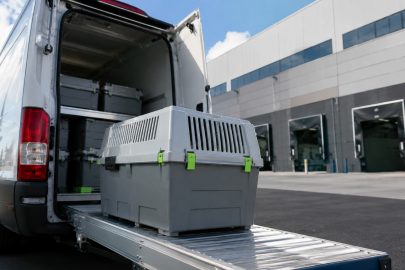
A dedicated fleet is better than a freight broker when your business depends on consistent delivery performance, strict compliance standards, real-time visibility, or time-critical transportation. Industries such as healthcare, biotechnology, pharmaceuticals, manufacturing, and aviation often choose dedicated transportation because operational disruptions, product loss, and downtime can cost far more than transportation expenses.
While freight brokers excel at finding capacity in the open market, dedicated fleets provide direct control over drivers, equipment, service standards, and delivery performance. For organizations moving mission-critical freight, that difference can significantly impact business continuity.
Key Takeaways
Difference Between a Dedicated Fleet and a Freight Broker
Many logistics decision-makers evaluate transportation providers based primarily on freight rates. However, transportation model selection should focus on operational requirements rather than cost alone.
What Is a Dedicated Fleet?
A dedicated fleet consists of vehicles and drivers assigned specifically to a customer or a defined set of transportation requirements. The transportation provider directly manages:
- Drivers
- Equipment
- Dispatch operations
- Route planning
- Service standards
- Performance monitoring
This creates a controlled transportation environment with predictable performance and accountability.
What Is a Freight Broker?
A freight broker acts as an intermediary between shippers and carriers.
Rather than operating vehicles directly, brokers source transportation capacity from carrier networks.
This model offers flexibility and access to large carrier pools but may introduce variability because the actual carrier, driver, and equipment can change from shipment to shipment.
Key Operational Differences
Factor | Dedicated Fleet | Freight Broker |
Driver Consistency | High | Variable |
Capacity Availability | Guaranteed | Market Dependent |
Shipment Visibility | High | Moderate |
Route Familiarity | High | Variable |
Compliance Control | High | Variable |
Emergency Response | Immediate | Dependent on Carrier Availability |
Chain of Custody | Strong | Varies by Carrier |
The difference becomes especially important when transportation directly impacts business operations.
Why Dedicated Fleets Excel in Time-Critical Logistics
The value of dedicated transportation becomes most apparent when delays carry significant consequences.
According to the Bureau of Transportation Statistics, supply chain disruptions continue to create billions of dollars in economic impact annually across healthcare, manufacturing, and transportation sectors.
For mission-critical deliveries, transportation reliability often matters more than transportation cost.
Healthcare and Laboratory Deliveries
Healthcare organizations frequently transport:
- Diagnostic specimens
- Laboratory samples
- Blood products
- Medical devices
- Surgical equipment
These shipments often have strict delivery windows. A missed delivery can delay patient care, laboratory testing, or clinical procedures. Dedicated fleets provide:
- Direct transportation
- Fewer handling points
- Real-time visibility
- Faster exception management
Aircraft on Ground (AOG) Emergencies
In aviation logistics, every minute of downtime matters. An Aircraft on Ground (AOG) event occurs when a package arrives at the airport and requires someone who can transport the package to another location.
Industry estimates suggest aircraft downtime can cost airlines thousands to tens of thousands of dollars per hour depending on aircraft type, route, and operational impact.
Dedicated fleet providers can immediately dispatch drivers, coordinate airport access, and expedite critical parts delivery.
Freight brokers often require additional time to locate available carrier capacity before transportation begins.
Healthcare and Pharmaceutical Logistics – Why Dedicated Transportation Often Wins
Healthcare logistics is one of the strongest examples of where dedicated transportation outperforms brokered freight.
Chain of Custody Requirements
Many healthcare shipments require documented chain of custody procedures.
Examples include:
- Clinical trial materials
- Biological samples
- Diagnostic specimens
- Medical devices
- Pharmaceutical products
Dedicated fleets allow organizations to maintain tighter control over handling, documentation, and shipment security.
Temperature-Controlled Transportation
Pharmaceutical and biotechnology products frequently require transportation within specific temperature ranges. Many biologics and specialty pharmaceuticals require storage and transportation between 2°C and 8°C.
A temperature excursion can result in:
- Product loss
- Regulatory concerns
- Delayed patient treatments
- Significant financial losses
Dedicated transportation providers can implement:
- Validated equipment
- Temperature monitoring
- Standard operating procedures
- Emergency response protocols
These controls are often more difficult to standardize across multiple brokered carriers.
Compliance Advantages
Healthcare organizations increasingly require transportation partners that support:
- HIPAA-compliant operations
- GDP-compliant processes
- Chain of custody documentation
- Audit readiness
Dedicated transportation provides greater consistency when managing these requirements.
Manufacturing Companies Often Outgrow Freight Brokers
Manufacturers frequently begin with brokered transportation because it offers flexibility. However, as production volumes increase, many organizations transition to dedicated transportation models.
Production Downtime Is Expensive
Manufacturing facilities depend on the timely movement of:
- Raw materials
- Components
- Replacement parts
- Finished products
A delayed shipment can stop production lines and create cascading operational disruptions.
According to industry research, unplanned manufacturing downtime can cost large facilities thousands to hundreds of thousands of dollars per hour depending on the operation. When downtime costs exceed transportation costs, dedicated fleets become a strategic investment rather than an expense.
Dedicated Drivers Understand Operational Requirements
Dedicated drivers become familiar with:
- Facility procedures
- Security requirements
- Delivery schedules
- Dock operations
- Product handling requirements
This familiarity often reduces delays and improves overall transportation performance.
For mission-critical transportation, Dedicated Fleet Services, Temperature-Controlled Transportation, White Glove Handling, Chain of Custody, and 24/7 Dispatch from Neonline Logistics provide greater control than freight brokers. These services ensure consistent performance, regulatory compliance, real-time visibility, and rapid response for healthcare, manufacturing, and pharmaceutical shipments.
Hidden Costs of Brokered Freight
Freight brokers provide valuable services, but transportation decisions should consider total operational impact. A lower freight rate may appear attractive initially. However, companies must also consider:
- Missed delivery penalties
- Production downtime
- Product spoilage
- Customer dissatisfaction
- Regulatory risks
- Expedited recovery costs
These indirect costs can significantly exceed transportation savings.
Also, brokered shipments may utilize different carriers for each movement, service levels can vary. This often causes:
- Different driver experience levels
- Different equipment standards
- Varying communication processes
- Inconsistent tracking capabilities
For highly sensitive freight, this variability can increase risk.
Five Signs Your Business Has Outgrown Freight Brokers
- Delivery Performance Is Becoming Critical
When customer expectations require consistent service, dedicated transportation often provides better results.
- Your Shipments Are Time-Sensitive
Medical deliveries, aircraft parts, manufacturing components, and clinical trial materials frequently require dedicated transportation.
- Compliance Requirements Are Increasing
As regulatory requirements become more complex, dedicated transportation can provide stronger process control.
- You Need Better Visibility
Real-time tracking and proactive communication become increasingly important as operations scale.
- Service Failures Are Becoming Expensive
When a missed delivery creates substantial operational consequences, reliability becomes more valuable than transportation cost savings.
How Neonline Logistics Supports Dedicated Fleet Operations
Organizations operating in healthcare, pharmaceutical, biotechnology, manufacturing, and aviation sectors require transportation partners capable of supporting mission-critical operations.
Neonline Logistics provides Dedicated Fleet Services designed to deliver greater reliability, visibility, and operational control.
- Nationwide coverage across all 50 states
- 24-hour live dispatch
- TSA-certified drivers
- OSHA-trained personnel
- White glove handling
- Temperature-controlled transportation
- Chain of custody procedures
- Emergency response logistics
- AOG transportation expertise
Whether supporting a clinical trial shipment in Boston, a biotechnology facility in the San Francisco Bay Area, a pharmaceutical manufacturer in North Carolina, or an aircraft maintenance operation in Houston, dedicated transportation helps reduce risk while improving service consistency.
Conclusion
Freight brokers and dedicated fleets each play important roles in modern supply chains. However, when shipments become mission-critical, reliability often outweighs transportation cost.
Healthcare providers, biotechnology firms, pharmaceutical manufacturers, aviation organizations, and industrial operations frequently discover that dedicated transportation delivers greater value through improved control, visibility, compliance, and service consistency.
The right question is not whether a dedicated fleet costs more. The right question is how much a missed delivery, temperature excursion, manufacturing shutdown, or aircraft delay could cost your business.
For organizations operating in high-stakes environments, dedicated transportation is often the safer and more strategic investment.