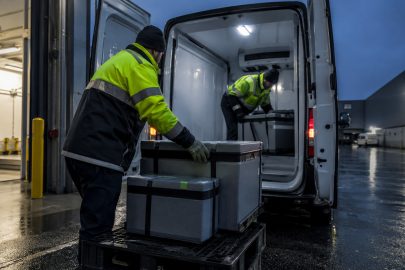
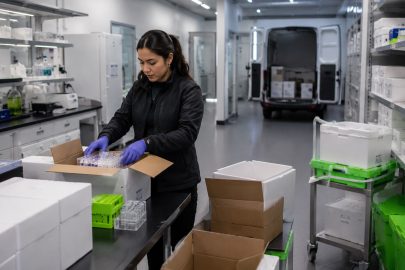
For the pharmaceutical and biotech industries, cold chain shipping is more than simply a way to get things from one place to another; it’s a lifeline. Every vial of vaccination, every batch of insulin, and every biological sample must be kept at the right temperature while they are being shipped. A few degrees of difference can cost millions of dollars and put patients’ lives at danger.
This is why it’s important to have a precise, step-by-step checklist for cold chain shipping. It helps pharmaceutical and biotech companies stay in compliance, avoid spoiling, and make sure that deliveries go smoothly, whether they are going across the city or across continents.
This post shows you how to use a simple, useful checklist for every cold chain shipment your team does.
1. Identify the Product Type and Temperature Range
The first step is to understand what you’re shipping and what temperature range it needs to stay in.
Different pharmaceutical and biotech products have different storage and shipping requirements. Here’s a quick reference:
Product Type | Typical Temperature Range |
Vaccines | +2°C to +8°C |
Blood Samples | +2°C to +6°C |
Frozen Plasma | –20°C or lower |
Cell or Gene Therapy Materials | –60°C to –150°C |
Biologics / Proteins | +2°C to +8°C |
Clinical Trial Samples | As specified (custom ranges) |
Checklist Point:
- Verify the exact temperature range from the manufacturer or product data sheet.
- Tag every shipment with the correct handling instructions and symbols.
- Use validated packaging designed for the required range.
2. Choose the Right Packaging and Insulation
Packaging is the backbone of cold chain logistics. It must protect the product, control temperature, and resist external conditions.
Key Components:
- Primary Packaging: Vials, pouches, or bottles. Should be sealed and leak-proof.
- Secondary Packaging: Insulated shippers or thermal boxes with gel packs or dry ice.
- Tertiary Packaging: Outer cartons for protection and labeling.
Packaging Materials to Consider:
- Insulated foam containers for short-distance shipments.
- Phase change materials (PCMs) for longer trips, maintaining stable temperatures.
- Dry ice for deep-frozen materials
- Reusable temperature-controlled containers for sustainable shipping.
Checklist Point:
- Validate the packaging for duration, ambient conditions, and product type.
- Pre-condition gel packs and PCMs to the required temperature.
3. Calibrate and Place Temperature Monitoring Devices
Even the best packaging won’t help if you can’t prove temperature integrity. Every shipment should include a data logger or temperature monitoring device.
Devices Include:
- USB data loggers
- Real-time GPS temperature trackers
Why It Matters:
- Provides proof of compliance (FDA, WHO, GDP).
- Alerts logistics teams if temperature deviates mid-transit.
- Helps in audits and corrective action if something goes wrong.
Checklist Point:
- Verify calibration certificates before use.
- Place sensors near the most temperature-sensitive product area.
- Record logger serial numbers and associate them with shipment IDs.
4. Label Everything Clearly
Cold chain shipments must be labeled properly to meet international regulations and to alert everyone in the supply chain to handle them with care.
Must-Have Labels:
- “Keep Refrigerated” or “Keep Frozen”
- Temperature Range (e.g., “Store between +2°C and +8°C”)
- Hazardous Material Markings (if applicable)
- UN/ID Numbers for Dry Ice (UN1845)
- Handling Arrows (^ This Side Up)
Checklist Point:
- Print labels in waterproof ink.
- Include shipper and consignee details clearly.
- Ensure compliance with DOT, and FDA labeling guidelines.
5. Plan the Route and Delivery Timeline
Cold chain success depends on time and predictability. A single unexpected delay at a customs checkpoint or an airport can ruin the entire shipment.
Planning Tips:
- Choose the shortest possible route with minimal handling.
- Work with carriers experienced in pharma and biotech shipments.
- Coordinate with customs brokers for international shipments.
- Always have contingency plans (backup routes or storage points).
Checklist Point:
- Confirm carrier schedules and capacity before pickup.
- Identify potential delay zones (e.g., airport handling times).
- Add time buffers for customs clearance and inspections.
6. Maintain a Validated Cold Chain Process
Every part of your cold chain – from packaging to storage to delivery – should be validated. Validation ensures your shipping method maintains required conditions under real-world stress.
What to Validate:
- Packaging performance
- Transport routes and duration
- Temperature recovery time (how fast it stabilizes)
- Data logging systems
Checklist Point:
- Perform Operational Qualification (OQ) and Performance Qualification (PQ) tests.
- Keep validation records on file for audits.
- Update validation whenever you change packaging, routes, or products.
7. Train Personnel at Every Step
Cold chain logistics is only as strong as the people managing it. Everyone handling temperature-sensitive shipments – from warehouse staff to drivers – must understand the critical steps involved.
Training Focus Areas:
- Proper handling of refrigerated and frozen products
- Packing and unpacking procedures
- Temperature monitoring device operation
- Emergency handling (what to do during temperature excursions)
Checklist Point:
- Conduct training every 6–12 months.
- Keep attendance and certification logs.
- Use visual aids and SOPs (Standard Operating Procedures) near cold storage areas.
8. Monitor During Transit
During transport, conditions can change fast – heat exposure on the tarmac, temperature spikes in last-mile vans, or dry ice sublimation.
Monitoring Practices:
- Use real-time tracking systems with temperature alerts.
- Get SMS/email notifications for temperature breaches.
- Integrate data into your logistics dashboard for 24/7 visibility.
Checklist Point:
- Assign a control tower or dispatch team to monitor every active shipment.
- Respond to temperature alerts immediately.
- Maintain communication with the driver and consignee for quick resolution.
9. Verify Upon Delivery
When the shipment arrives, verification is crucial. Your consignee must check and confirm that the product arrived within the required temperature range and without damage.
Verification Steps:
- Check temperature data logger readings.
- Inspect packaging for leaks, condensation, or physical damage.
- Verify labeling and product count.
- Record the time of receipt and temperature on arrival.
Checklist Point:
- Have the receiver sign the delivery note with temperature confirmation.
- Upload temperature data to your QA or compliance team.
If deviations occur, quarantine the shipment until QA approval.
10. Documentation and Regulatory Compliance
Pharmaceutical and biotech shipments fall under strict Good Distribution Practice (GDP) and FDA guidelines. Every step from packaging to temperature logging – must be documented.
Key Documents to Keep:
- Temperature monitoring reports
- Calibration certificates
- Packing validation reports
- Shipping invoices and airway bills
- Training records
- Incident reports (if any)
Checklist Point:
- Store records digitally for easy audit access.
- Retain documents as per company or regulatory policy (often 5+ years).
- Review all deviations within 24 – 48 hours of occurrence.
11. Post-Shipment Review and Continuous Improvement
The best cold chain logistics teams never stop improving. After each shipment, conduct a post-shipment review to identify what worked and what didn’t.
Review Metrics:
- Temperature excursion incidents
- Delay frequency and causes
- Carrier performance
- Cost vs reliability ratio
- Customer satisfaction or complaint records
Checklist Point:
- Schedule monthly or quarterly performance reviews.
- Share insights across operations, QA, and customer service teams.
- Update SOPs and training based on recurring issues.
Conclusion
Cold chain shipping for pharmaceutical and biotech companies isn’t just about moving goods – it’s about preserving life-saving integrity. A single gap in the chain can mean financial loss, compliance penalties, and loss of trust.
By following this checklist – from packaging and temperature monitoring to validation and documentation – you can create a cold chain that’s reliable, compliant, and built for the future.
At Neonline Logistics, we specialize in time-critical and temperature-controlled shipping for the healthcare and biotech sectors. Our team uses validated processes, real-time monitoring, and 24×7 dispatch support to ensure your sensitive shipments arrive safely – every time.