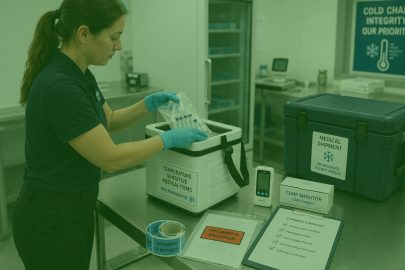
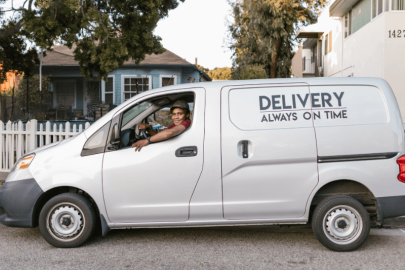
Hospital-to-hospital deliveries are not “regular courier trips.” They involve clinical urgency, patient impact, regulatory sensitivity, documented chains of custody, and strict temperature control none of which can be guaranteed in shared vans or non-medical delivery networks.
Yet across the U.S., hundreds of hospitals still rely on multi-stop vans, gig drivers, or low-cost courier aggregators. What looks like “cost saving” often leads to the exact opposite: delayed specimens, invalidated samples, regulatory violations, and avoidable risks to patient outcomes.
This blog breaks down why dedicated medical couriers are the only safe and compliant choice for hospital-to-hospital transfers and what truly changes when hospitals switch to a specialized partner like Neonline.
Why Shared Vans Fail in Hospital-to-Hospital Transfers
Shared vans were designed for parcel movement, not clinical movement. Their operational model is the opposite of what hospitals need.
Shared Vans Add Unpredictable Delays
Most shared vehicles run multi-stop routes, usually optimized for fuel efficiency not clinical urgency. Common issues include:
- Patient reports getting priority over lab samples
- Stops added mid-route without notification
- Driver batch-picking unrelated parcels
- Routes changing based on new pickups
For time-sensitive materials like STAT lab samples, organs, biopsy tissues, or blood units, even a 15-minute delay can destroy clinical validity.
Temperature Control Is Not Designed for Medical Materials
Shared vans operate at room temperature. For hospitals, this is a disaster because:
- Blood products require 1–6°C
- Tissue samples often require 2–8°C
- Medications may require cold-chain compliance
- Transplant materials can require cryogenic-level stability
Shared vans cannot guarantee stability, logging, or continuous monitoring throughout the trip.
What Hospitals Actually Need During Inter-Facility Transfers
Direct, Non-Stop Transportation
A true hospital-to-hospital courier provides:
- One pickup
- One drop
- No co-loading
- Live ETA tracking
- Precise chain-of-custody documentation
This approach removes 99% of the risk found in shared routes.
HIPAA-Compliant Handling
Medical couriers are trained to reinforce:
- Confidentiality
- Documentation integrity
- Handling protocol for PHI
- Secure custody for clinical records
Shared delivery drivers do not have HIPAA training. Many do not even understand what PHI is.
Trained, Vetted Medical Couriers
Hospitals require drivers who understand:
- Clinical urgency
- Specimen viability timelines
- Handling protocols
- Biohazard labeling
- Proper cooler use
- Incident escalation
- Facility SOPs
Neonline builds regional teams with medical courier training – not gig workers or temporary drivers.
Clinical Risks When Hospitals Use Shared Vans
Sample Rejection at Receiving Labs
Most lab rejections happen because of:
- Temperature deviations
- Shaken or mishandled containers
- Delayed transport
- Improper packaging
- Missing documentation
Shared vans are the #1 source of these issues.
Increased Patient Risk
Delayed transfers impact:
- Transfusions
- Cancer diagnostics
- Sepsis diagnosis
- Organ acceptance windows
- Cross-matching timelines
These are not “logistical mistakes” – they are clinical consequences.
Regulatory Exposure
Using shared vans increases risk of:
- HIPAA breaches
- FDA handling violations
Legal liabilities
Hospitals are often shocked to discover that their logistics vendor is not compliant until a failure occurs.
How Dedicated Couriers Solve These Problems
Non-Stop, Priority Routing
Neonline dispatches a vehicle that moves only:
From your hospital
To the destination hospital
Without stops, co-loading, or batching
This ensures predictable delivery times and eliminates wait-related risks.
Trained Medical-Grade Handling
All Neonline couriers follow:
- Specimen handling SOPs
- Biohazard protocols
- Temperature management
- Chain-of-custody workflows
- Tamper-proof documentation
Temperature-Controlled Transport
Neonline provides:
- Cold-chain coolers
- Validated gel packs
- Temperature logging
- Shock-absorbent packaging
- Refrigerated or cooled vehicles (where needed)
Every trip is monitored and documented.
How Neonline Solved a Recurring Transfer Failure
A large multispecialty hospital in Northern California faced repeated specimen rejections because its shared-van courier often:
- Took 90+ minutes for a 25-minute route
- Co-loaded unrelated parcels
- Delayed the pickup window
This caused several oncology samples to exceed viability thresholds.
Neonline Solution:
- Moved the hospital to a dedicated driver model
- Implemented strict 30-minute direct routing
- Set up temperature-logged coolers
- Added digital chain-of-custody
- Created a predictable pickup schedule
Outcome:
- Zero specimen rejections in 60 days
- Faster diagnostic turnaround
- Improved satisfaction between the two hospitals
- Clinicians now message dispatch directly for urgent transfers
What Decision-Makers Should Do Next
Hospitals should evaluate:
- Current transfer times
- Number of samples rejected due to transport
- Hidden costs of delays
- Gaps in temperature control
- HIPAA handling documentation
- Business continuity plans during urgent cases
If any of these are concerns, a dedicated courier model is no longer optional – it’s required.