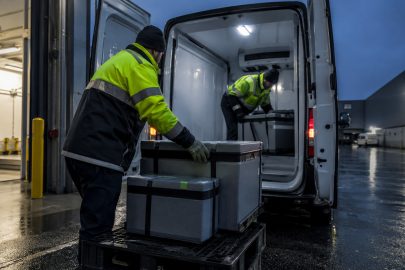
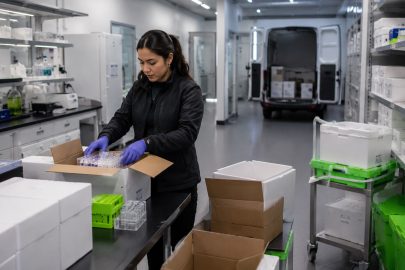
Biotech startups move fast – but their materials can’t be handled casually. Many new founders underestimate how complex shipping becomes when dealing with sensitive biologicals, temperature-controlled reagents, DNA/RNA samples, cell lines, or early-stage pharmaceutical prototypes.
This guide breaks down what every biotech startup must understand before shipping research materials – especially in regions like the Bay Area, San Diego, and Boston where biotech density is high and compliance expectations are strict.
Why Shipping Is a Critical Risk Point for Biotech Startups
From a regulatory standpoint, research materials are treated differently from ordinary goods. A small delay or improper package can destroy weeks or months of research.
Startups often face challenges because:
- Teams are small
- Labs lack formal logistics SOPs
- Researchers pack shipments themselves
- Materials may include hazardous components
- Temperature control is non-negotiable
- Funding losses happen when samples get damaged
Shipping is not “admin work.” It’s a core operational risk.
What Happens If You Ship Incorrectly
Biotech startups risk:
Sample Degradation
RNA, DNA, proteins, enzymes, media, cell lines, reagents – all degrade quickly if not stabilized.
Data Invalidation
A failed shipment means:
- Lost experimental progress
- Repeating studies
- Wasted grant funds
Invalid assays
Regulatory Non-Compliance
Startups risk penalties if they do not handle:
- Category B biologicals
- Dry ice documentation
- Hazard labels
- Frozen materials
Delayed Funding Milestones
Investors expect operational reliability.
Failed shipments create red flags in diligence discussions.
What Biotech Startups Must Know Before Shipping
Regular couriers treat packages generically. Research materials must be handled:
- By trained personnel
- With proper packaging
- With validated cold-chain equipment
- Under strict chain-of-custody
- With knowledge of hazard classes
Neonline works extensively with early-stage companies and designs workflows around scientific material sensitivity.
Know Your Regulatory Category
Biotech shipments often fall into:
- Category A infectious substances
- Category B biological substances
Genetically modified organisms - Hazardous samples
- Temperature-sensitive nonhazardous materials
Labels, packaging, and documentation differ. Startups often ship incorrectly simply because no one taught them the classifications.
Dry Ice Isn’t Just “Cold Packaging”
Dry ice shipments require:
- Proper UN1845 labeling
- Ventilated packaging
- Weight declarations
- Courier compliance
- Driver training
Many startups don’t know that some couriers cannot accept dry ice unless drivers are certified to handle it. Neonline has trained personnel for this.
Temperature Control Is Not Optional
Biotech startups commonly ship:
- Frozen cell lines (-70°C to -150°C)
- Reagents that need -20°C
- Proteins & enzymes (2–8°C or <0°C)
- NGS kits needing stable cooling
Shared couriers cannot guarantee this. Temperature deviation = lost research.
Packaging Must Match Sensitivity
Most biotech materials require:
- Triple-layer packaging
- Absorbent material
- Shock-resistant inner containers
- UN-tested outer containers
- Proper orientation labels
Neonline routinely guides startups on packaging requirements before pickup.
Chain-of-Custody Isn’t a Formality
A broken chain-of-custody can:
- Invalidate data
- Compromise IP
- Create audit failures
- Damage partner relationships
Neonline’s digital chain-of-custody ensures every handoff is logged and transparent.
Common Mistakes Biotech Startups Make
Mistake #1: Using Regular Overnight Couriers for Critical Samples
Overnight does not mean temperature-stable. And a delayed flight can ruin everything.
Mistake #2: Underestimating Packaging Needs
Many labs use basic insulated boxes not rated for multi-hour transit.
Mistake #3: Not Considering Edge-Case Scenarios
Startups forget:
- Weather impact
- Weekend delays
- Routing issues
- Mis-scanning at hubs
Neonline avoids hubs entirely.
Mistake #4: No Standard Operating Procedure
Startups often have no internal checklist – leading to inconsistent shipment quality. Neonline helps create shipping SOPs for early-stage companies.
How Neonline Protects Biotech Shipments
Direct Delivery Without Hubs
Neonline moves materials directly from:
Lab – > Partner Lab
Lab – > Investor site
Lab – > Manufacturing plant (CMO/CDMO)
No hubs. No middle warehouses. No mixing with unrelated parcels.
Trained Biotech Couriers
Drivers understand:
- Dry ice
- Cold-chain requirements
- Hazard labeling
- Biotech packaging norms
- Multi-site research transfers
Temperature-Controlled Logistics
Neonline uses:
- Refrigerated vehicles (when needed)
- Cold-chain coolers
- Validated insulated packaging
- Continuous temperature tracking
Compliance Support
We guide startups through:
- UN3373 packaging
- Dry ice documentation
- Labeling
- SOP creation
- Audit trails
Delivery Windows Biotech Can Rely On
We provide:
- Same-day courier service
- Direct, point-to-point routing
- Express 2-hour windows
- Temperature-compliant overnight (within specific regions)
Startups get performance predictability from day one.
Neonline Supporting a Bay Area Gene Therapy Startup
A pre-seed gene therapy team in South San Francisco frequently shipped frozen plasmids to a CRO. They used a national carrier and lost four shipments in two months due to:
- Dry ice depletion
- Hub delays
- Misrouting
- Mixed parcels with non-scientific shipments
We implemented:
- Same-day direct delivery
- Certified dry ice handling
- Predictable temperature controls
- Real-time tracking
Outcome:
- Zero failed shipments in three months
- Faster research cycles
- Enhanced trust from incoming investors during diligence
What Every Biotech Startup Should Build Immediately
Neonline recommends startups create:
- A shipping SOP
- A temperature requirement map
- Approved packaging list
- Courier escalation flow
- Internal chain-of-custody logs
These systems prevent costly surprises.