When a shipment has hours not days to reach its destination, location matters as much as speed. Next Flight Out (NFO) services are designed to move urgent cargo on the next available commercial flight, but their effectiveness depends heavily on airport access, flight frequency, and operational coordination.
Major US airports play a critical role in how quickly and reliably an NFO shipment moves. For shippers dealing with aircraft-on-ground emergencies, medical supply shortages, legal deadlines, or manufacturing disruptions, understanding how NFO works near major airports can mean the difference between success and costly delays.
This guide explains how Next Flight Out services operate around major US airports, which hubs offer the best coverage, and what shippers must know before booking an urgent air shipment.
What Is Next Flight Out (NFO) Shipping?
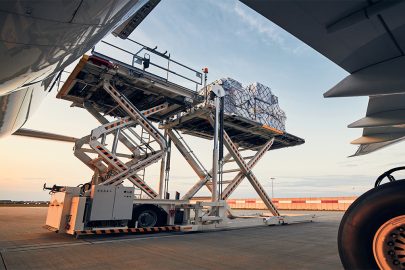
Next Flight Out is an ultra-expedited air logistics service that prioritizes a shipment on the next available commercial flight, often using passenger airlines rather than dedicated cargo aircraft. The goal is to minimize transit time by eliminating unnecessary ground dwell, sorting delays, and hub transfers.
NFO shipping is commonly used for:
- Aircraft parts during AOG situations
- Medical and healthcare supplies
- Clinical trial or diagnostic samples
- Legal or court-critical documents
- Manufacturing and production components
Unlike standard overnight shipping, NFO focuses on immediacy and flexibility, not fixed schedules.
Why Major US Airports Are Critical for NFO Services
The success of a Next Flight Out shipment is closely tied to airport infrastructure. Major airports offer advantages that smaller regional airports simply cannot match.
High Flight Frequency
Large airports operate hundreds or even thousands of daily departures. This increases the likelihood of securing space on a flight within hours, not the next day.
Cargo & Passenger Aircraft Access
NFO shipments often travel as priority cargo in passenger aircraft. Airports with strong passenger traffic provide more routing options across the country.
Proximity to Logistics Networks
Major airports are typically surrounded by established courier routes, highway access, and cargo facilities, reducing ground transfer time from pickup to aircraft.
Better Recovery Options
If a flight is delayed or canceled, large hubs offer alternative departures and rerouting possibilities that smaller airports may not.
Key US Airports That Support Next Flight Out Services
While NFO services operate nationwide, certain airports consistently provide better speed and flexibility due to their scale and connectivity.
Atlanta (ATL)
As one of the busiest passenger airports in the world, Atlanta offers extensive domestic connectivity. Its high flight volume makes it a strong option for same-day or overnight NFO shipments across the US.
Chicago (ORD & MDW)
Chicago serves as a major Midwest hub with excellent east–west routing. It is especially effective for cross-country shipments and time-critical manufacturing or aviation parts.
Dallas/Fort Worth (DFW)
With strong airline presence and central US positioning, DFW enables efficient redistribution of urgent cargo nationwide.
Los Angeles (LAX)
LAX is a key gateway for trans-Pacific routes and high-value electronics or aerospace shipments. Congestion can be a challenge, making experienced NFO coordination essential.
Miami (MIA)
Miami is a major hub for Latin American and Caribbean routes and plays a significant role in pharmaceutical and healthcare logistics.
New York Metro Area (JFK, EWR, LGA)
This region offers dense flight schedules but also complex security and congestion challenges. Successful NFO shipments here depend on tight timing and documentation readiness.
Phoenix, San Francisco Bay Area & Regional Hubs
These airports support NFO services for technology, semiconductor, and healthcare industries, particularly when paired with nearby secondary airports for flexibility.
How Next Flight Out Works Near Major Airports
Although each shipment is unique, most NFO services near major airports follow a structured workflow designed to eliminate delays.
1. Time-Critical Pickup
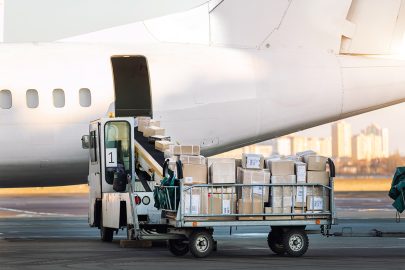
A dedicated courier collects the shipment immediately and transports it directly to the airport, bypassing standard sorting facilities.
2. Flight Booking & Airline Coordination
The shipment is prioritized for the next suitable flight. While “next flight” often means the next departing option, routing decisions may favor the fastest arrival time, not just the earliest departure.
3. Airport Tender & Security Screening
The package is tendered at the airline counter or cargo facility. TSA requirements and airline policies are addressed at this stage.
4. Air Transit
The shipment travels as priority cargo, often in the aircraft’s belly hold.
5. Destination Pickup & Final Delivery
Upon arrival, a local courier retrieves the shipment and completes final-mile delivery, maintaining door-to-door continuity.
TSA Known Shipper Requirement: What Many Shippers Miss
One of the most common obstacles in NFO shipping is TSA compliance.
For packages over 16 ounces traveling on passenger aircraft, shippers must typically be approved as a TSA Known Shipper. This verification process confirms the shipper’s identity and security status.
Why This Matters
- Approval can take time if not already established
- Lack of approval can limit flight options or cause delays
- Many first-time shippers discover this requirement too late
Experienced NFO providers often help navigate this process or work with pre-approved shipper profiles to avoid disruption.
Costs, Trade-Offs, and Limitations of NFO Services
Cost Considerations
Next Flight Out shipping is premium-priced due to:
- Immediate booking
- Dedicated handling
- Airline priority fees
While more expensive than overnight shipping, it is typically less costly than chartering an aircraft or using an onboard courier.
Speed vs Alternatives
- Faster than standard overnight delivery
- Slower and more affordable than charter flights
- More flexible than fixed-route air freight
Restrictions to Be Aware Of
- Hazardous materials are often restricted
- Size and weight limits vary by airline
- Perishables require careful handling and timing
Understanding these constraints upfront helps avoid last-minute surprises.
Best Practices for Shippers Using NFO Near Airports
To maximize success with Next Flight Out services, shippers should:
- Provide accurate weight, dimensions, and commodity details immediately
- Confirm TSA Known Shipper status early
- Choose providers with direct airline relationships
- Prepare documentation before pickup
- Monitor weather and flight conditions closely
For aviation (AOG) shipments, working with providers that have specialized aviation desks can significantly reduce aircraft downtime.
Why Airport-Based NFO Reduces Risk
NFO services near major airports minimize ground time while maximizing routing options. This combination reduces exposure to:
- Traffic delays
- Missed connections
- Limited flight availability
For time-critical shipments, proximity to major air hubs is often the deciding factor between success and failure.
Final Thoughts
Next Flight Out services near major US airports provide unmatched speed and flexibility for urgent shipments but only when executed correctly. Airport congestion, security requirements, airline policies, and timing constraints all play a role in determining success.
By understanding how NFO works at major hubs and preparing accordingly, shippers can make informed decisions when every hour matters. For organizations operating under extreme time pressure, airport-based NFO remains one of the most reliable solutions available in the United States.