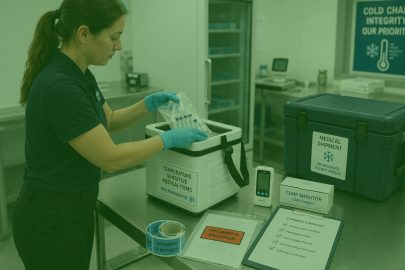
Why Interstate Shipping Triggers FDA Oversight
When medical devices are shipped within a single state, the process is largely treated as a controlled internal distribution. However, the moment a shipment crosses state lines, it falls under federal jurisdiction.
This shift is important because interstate movement is considered part of the device’s distribution lifecycle. That means the FDA evaluates whether the product remains compliant not only at the point of manufacturing, but also during transit.
For example, if a device is exposed to improper handling, temperature deviation, or incorrect labeling while being transported across states, it can be classified as “adulterated” or “misbranded” under FDA regulations. This applies even if the device left the facility in perfect condition.
Interstate shipments are also more likely to be subject to inspections, documentation checks, or holds, especially when they involve:
- High-risk (Class II or III) medical devices
- Devices with temperature sensitivity
- Shipments involving hospitals, labs, or clinical use
- Movements between manufacturers, distributors, and healthcare providers
While the FDA governs product integrity and compliance, agencies like the Department of Transportation (DOT) oversee how the device is physically transported. This overlap increases the chances of non-compliance if the shipment is not handled correctly.
In simple terms:
- Within a state, shipping is mostly operational
- Across states, shipping becomes regulatory exposure
This is why interstate medical device shipping requires more than just fast delivery, it requires a process that can stand up to compliance scrutiny at every step.
When Shipment Becomes a Regulated Movement Under FDA
A medical device shipment becomes a “regulated movement” when it is considered part of the official distribution or use cycle of the product.
When devices are shipped from a manufacturer or distributor to hospitals, clinics, or other healthcare providers in another state, the FDA treats this as part of commercial distribution. Devices shipped for clinical procedures, trials, or direct patient use carry a higher level of scrutiny.
Even internal movements such as transferring devices between warehouses, labs, or partner facilities in different states can fall under regulated movement if they are part of the supply chain. If the device includes elements like biological materials, specialized reagents, or integrated systems, the shipment may require stricter oversight.
FDA Compliance Risks Specific to Interstate Medical Device Shipping
When shipping medical devices across state lines, the biggest risk is not delay, it’s non-compliance. Unlike general logistics issues, compliance failures can lead to shipment rejection, regulatory action, or product liability concerns.
The FDA primarily looks at whether the device remains safe, correctly represented, and uncompromised throughout its movement. In interstate shipping, three major risks come into play:
1. Misbranding During Transit
A device is considered misbranded if the labeling, documentation, or representation does not match regulatory requirements. Even if the device itself is intact, incorrect labeling can result in the shipment being flagged or rejected.
2. Adulteration Due to Handling Conditions
A device may be classified as adulterated if its quality or performance is compromised during transit.
For example, if a temperature-sensitive diagnostic device is shipped without proper thermal control and exceeds its required range, it may no longer be considered safe for use, even if it reaches the destination.
3. Unauthorized or Improper Distribution
Interstate shipping is treated as part of the distribution chain. If a device is shipped without proper authorization or outside approved channels, it can lead to compliance violations.
Interstate Shipping Documentation
In interstate medical device shipping, documentation is proof of compliance. When a shipment crosses state lines, it may be reviewed by multiple checkpoints. At any stage, incomplete or inconsistent documentation can raise red flags.
Documentation allows your shipment to move without interruption.
1. Proof of Device Classification
2. Bill of Lading (BOL)
3. Compliance Declarations and Supporting Documents
4. Temperature Monitoring and Validation Records
5. Hazardous Material Documentation (If Applicable)
Temperature Control as a Compliance Requirement
In medical device shipping, temperature is often treated as a handling concern. The FDA does expect them to remain safe and effective throughout transit. If temperature conditions are not maintained or cannot be proven, the device may be considered compromised, even if it reaches the destination.
From a compliance standpoint, you must be able to demonstrate that:
- The required temperature range was clearly defined
- The packaging used was capable of maintaining that range
- The temperature remained within limits during transit
This is where many shipments fail, not in execution, but in proof.
Labeling and Packaging Compliance
From an FDA standpoint, labeling must ensure that the device is:
- Clearly identified
- Properly described
- Accompanied by correct usage or handling information
If labeling is missing, unclear, or inconsistent, the device can be considered misbranded, even if everything else is correct.
Pre-Dispatch Compliance Check for Interstate Shipments
A structured pre-dispatch check helps ensure that everything is aligned, documented, and verifiable, reducing the risk of delays, inspections, or rejection.
This is a compliance validation step to confirm that the shipment can move across state lines without regulatory issues.
- Device classification confirmed (Class I, II, III)
- All documents aligned and complete (BOL, declarations, details)
- Labeling accurate, readable, and compliant
- Temperature requirements validated
- Monitoring/logging systems in place
- Courier verified for medical compliance and handling capability
- Chain of custody ensured
- Shipment is audit-ready
Why Courier Selection Directly Impacts FDA Compliance
From an FDA standpoint, compliance extends beyond manufacturing and distribution, it continues throughout the entire transit journey until the device is delivered. This means responsibility does not rest solely with the manufacturer or distributor, but across every stage of movement.
A courier with expertise in medical logistics understands these requirements, follows strict handling protocols, and minimizes the risk of damage, contamination, or non-compliance.
Why Healthcare Companies Trust Neonline for Compliant Interstate Shipping
For healthcare and medical device companies, shipping is about control, compliance, and reliability. This is where Neonline Logistics stands out. We are built to handle regulated, time-critical shipments, where maintaining compliance during transit is just as important as meeting delivery timelines.
At Neonline, every shipment is handled with a compliance-first mindset. This means:
- Processes aligned with FDA and DOT expectations
- Focus on maintaining device integrity during transit
- Attention to documentation, labeling, and handling consistency
Our goal is to ensure that shipments are not only delivered, but delivered without compliance risk.