When research institutions need live animal shipping, one of the biggest decisions is choosing between ground transportation and air freight shipping. Both options have advantages, but the wrong choice can lead to shipment delays, temperature exposure, and in severe cases, even put the animals’ health and survival at risk. These issues can ultimately affect research timelines and study outcomes.
When research institutions need live animal shipping, one of the biggest decisions is choosing between ground transportation and air freight shipping. While both options have their benefits, selecting the wrong method can cause delays, temperature related risks, increased stress during handling, and in severe cases, even put the animals’ health and survival at risk. These issues can ultimately affect research timelines and study outcomes.
Many laboratories and research facilities struggle with transportation providers that lack proper coordination, temperature-controlled capabilities, or experience handling sensitive shipments. This becomes even more challenging when shipments involve airport transfers, cross-state movement, or time-sensitive delivery schedules.
Understanding the difference between ground and air live animal cargo shipping helps research institutions choose the safest and most reliable transportation option based on shipment urgency, distance, handling requirements, and operational risk.
Why Choosing the Right Shipping Method Matters
In research logistics, transportation is not just about moving cargo. Delays, improper handling, or environmental instability can affect:- research schedules
- study continuity
- animal welfare
- compliance requirements
- laboratory coordination
Ground Animal Shipping for More Control & Reduced Handling Risks
Ground transportation is often preferred for domestic or regional live animal shipping because it provides more direct shipment control throughout transit. Unlike air freight, ground transportation typically involves fewer handling points, reducing the chances of delays, cargo transfers, or extended holding periods. Research institutions often choose ground transportation when:- shipment monitoring is important
- minimizing animal stress is a priority
- the destination is within driving distance
- flexible scheduling is needed
- environmental stability is critical
Air Animal Shipping for Faster Transit for Long-Distance Shipments
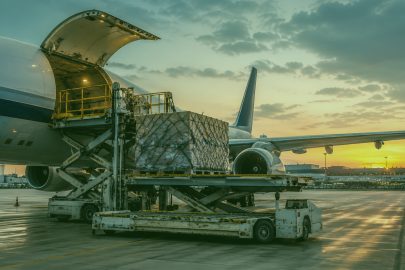
Air live animal cargo shipping is commonly used when research institutions require faster transportation across states or countries. Air freight becomes beneficial when:- shipment timelines are urgent
- long-distance transportation is required
- research coordination involves multiple facilities
- overnight or expedited movement is needed
- airport delays
- cargo transfer handling
- limited shipment visibility
- weather-related disruptions
Ground vs Air Animal Shipping: Which Option Is Better?
The best transportation method depends on the shipment’s urgency, travel distance, and handling requirements.Ground Shipping is better when:
Ground transportation is typically preferred when research institutions want:- fewer shipment handling points
- more consistent monitoring
- temperature-controlled transportation
- direct facility-to-facility delivery
- reduced transit stress
Air Shipping is better when:
Air transportation is usually the better option when:- shipments must move quickly across long distances
- cross-country coordination is required
- research timelines are highly time-sensitive
- overnight transportation is necessary
How Neonline Logistics Supports Both Ground & Air Animal Shipping
Neonline Logistics supports research institutions through specialized live animal shipping solutions designed to reduce transportation risk and improve shipment coordination.Dedicated Fleet Transportation
Ground shipments are handled through dedicated fleet vehicles to reduce unnecessary stops and improve shipment consistency.Temperature-Controlled Transportation
Temperature-sensitive transportation support helps maintain stable transit conditions during shipment movement.STA-Certified Drivers
Shipments are handled by live animal transportation-trained drivers who follow HIPAA trained handling protocols and GDP-compliant transportation standards for sensitive and time critical shipments.Air Freight Coordination Support
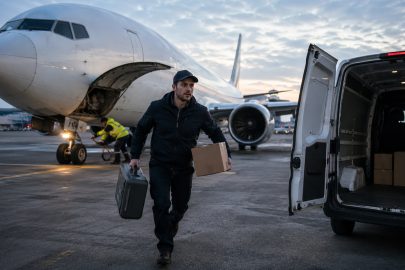
For air live animal cargo shipping, ready vans help support airport pickups and final-mile transportation coordination.
Aerospace Courier
Get a Customized Transportation Plan for Your Research Shipment Today
Why Specialized Logistics Providers Matter in Research Shipping
General transportation providers may not fully understand the operational challenges involved in laboratory animal shipping. Research institutions often require logistics partners that can support:- time-sensitive transportation
- controlled shipment handling
- airport coordination
- consistent communication
- compliant transportation processes