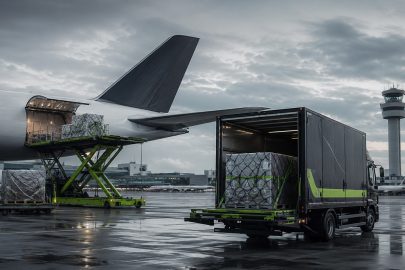
When aerospace cargo lands at the airport, the logistics process is only partially complete. Critical aircraft parts, avionics equipment, aerospace tools, and urgent AOG shipments still require rapid airport pickup, secure handling, customs coordination, real-time tracking, and expedited ground transportation to their final destination. Delays during this stage can increase aircraft downtime, disrupt maintenance schedules, and impact aerospace operations.
For aerospace companies, MRO facilities, aviation suppliers, and airlines across the USA, choosing the right airport-to-destination logistics partner is essential. Dedicated transportation, time-critical delivery coordination, and 24/7 dispatch support help ensure aerospace cargo reaches warehouses, hangars, operational sites, and maintenance facilities safely and on time.
This guide explains the complete post-arrival aerospace logistics process, common delays, transportation options, and how AOG logistics providers support urgent aviation operations after cargo lands.
Key insights into aerospace companies improve operational efficiency and reduce transportation delays
What Happens After Aerospace Cargo Lands?
Many businesses focus primarily on air freight movement, but one of the most critical stages begins after the aerospace cargo lands at the airport. Once the shipment arrives, it must quickly move through airport handling, customs clearance (if applicable), cargo pickup, and final-mile transportation to its destination.
1. Cargo Arrival and Offloading
Once the aircraft lands, cargo is unloaded and transferred to the airport cargo handling area. Aerospace shipments may include:
- Aircraft parts
- Turbine components
- Aerospace electronics
- Avionics systems
- Ground support equipment
- Maintenance tools
- Sensitive aerospace materials
Cargo handlers verify shipment documentation and prepare the freight for pickup or customs processing.
2. Customs Clearance and Documentation
For international aerospace shipments arriving in the USA, customs clearance may be required before the cargo can leave the airport. During this stage:
- Shipment documents are reviewed
- Cargo declarations are verified
- Security inspections may occur
- Regulatory compliance is checked
Delays during customs processing can significantly impact time-critical aerospace operations, especially during urgent AOG situations.
3. Airport Cargo Pickup Coordination
After clearance, the shipment is prepared for pickup. This is where specialized aerospace logistics providers play an important role. A dedicated transportation team coordinates:
- Cargo release timing
- Airport pickup scheduling
- Vehicle dispatch
- Route planning
- Delivery prioritization
Fast airport cargo pickup helps reduce storage delays and prevents unnecessary downtime.
Which Transportation Option Should You Choose?
The right transportation method depends on shipment urgency, cargo sensitivity, distance, and operational impact.
Dedicated Ground Transportation
Dedicated transportation is commonly used for:
- Urgent aircraft parts
- Sensitive aerospace equipment
- AOG deliveries
- Time-critical shipments
Benefits include:
- Direct transportation
- Reduced handling
- Faster delivery
- Better cargo security
- Real-time coordination
This option is ideal when minimizing downtime is the priority.
Shared Freight Transportation
Shared transportation may be suitable for:
- Non-urgent shipments
- Lower-priority aerospace cargo
- Scheduled logistics operations
However, it may involve:
- Multiple stops
- Longer transit times
- Additional cargo handling
- Less delivery flexibility
For critical aerospace operations, dedicated transportation is usually preferred.
AOG Logistics Support
Aircraft on Ground (AOG) situations occur when an aircraft cannot operate due to technical or maintenance issues requiring urgent parts or equipment. In these situations, aerospace logistics providers help support:
- Emergency airport cargo pickup
- Expedited ground transportation
- Rapid dispatch coordination
- Real-time shipment updates
- Time-critical delivery routing
The objective is to minimize aircraft downtime and help maintenance teams receive the required components as quickly as possible.
For urgent aviation situations, many aerospace companies rely on dedicated AOG logistics services to move critical aircraft components quickly after airport arrival.
Fast and reliable airport-to-destination transportation can play an important role in reducing aircraft downtime and supporting uninterrupted aviation operations.
Why Post-Airport Aerospace Logistics Matters
After aerospace cargo arrives at an airport, every minute matters. Delays in pickup or transportation can affect:
- Aircraft maintenance schedules
- Flight operations
- MRO timelines
- Manufacturing production
- Aircraft-on-ground (AOG) situations
- Emergency repair operations
In many cases, aerospace shipments are highly time-sensitive and cannot be treated like regular freight deliveries. Specialized coordination and dedicated transportation are often required to maintain speed and cargo security.
This is why aerospace companies rely on time-critical ground logistics providers to handle airport-to-destination transportation efficiently.
Common Delays After Aerospace Cargo Lands
- Airport Congestion: Busy airports can experience delays during cargo release and pickup scheduling.
- Customs Processing Delays: Incomplete paperwork or inspection requirements may slow cargo movement.
- Poor Delivery Coordination: Lack of communication between airport teams, logistics providers, and delivery facilities can create transportation bottlenecks.
- Inadequate Transportation Planning: Using non-specialized carriers may increase the risk of delays, cargo mishandling, or missed delivery windows.
Why is Airport-to-Destination Logistics opted?
Many aerospace businesses underestimate the complexity of moving cargo after it lands. However, airport-to-destination transportation often determines how quickly critical parts reach operational facilities. Specialized aerospace logistics providers help ensure:
- Faster transit times
- Reduced handling delays
- Secure transportation
- Real-time visibility
- Time-critical coordination
For urgent aerospace deliveries, standard courier services are often not sufficient.
Why Specialized Aerospace Logistics Providers Matter
Aerospace cargo transportation involves more than simply moving freight from one location to another. Specialized providers understand:
- Time-critical operations
- Aerospace cargo sensitivity
- Airport logistics coordination
- Security procedures
- Delivery prioritization
- Operational urgency
This expertise helps aerospace companies reduce disruptions and maintain supply chain efficiency.
Real-Time Tracking and Visibility
Modern aerospace logistics operations increasingly rely on shipment visibility and tracking systems. Real-time tracking helps:
- Monitor shipment location
- Improve coordination
- Reduce uncertainty
- Support operational planning
- Increase delivery transparency
For AOG situations, real-time updates are especially important because maintenance teams often depend on accurate delivery timelines.
Choosing the Right Aerospace Logistics Partner
When selecting an aerospace transportation provider in the USA, businesses should evaluate:
- Experience with aerospace shipments
- Time-critical delivery capabilities
- Airport pickup coordination
- 24/7 dispatch support
- Dedicated transportation options
- Real-time tracking availability
- Emergency logistics handling
Working with an experienced aerospace logistics partner can help improve reliability and reduce operational risk.
Conclusion
The aerospace logistics process does not end when cargo lands at the airport. In many cases, the most time-sensitive stage begins after arrival.
Airport cargo pickup, customs coordination, dedicated transportation, and expedited final-mile delivery all play a critical role in ensuring aerospace shipments reach their destination safely and on time.
For aerospace companies, airlines, MRO facilities, and aviation suppliers across the USA, choosing the right airport-to-destination logistics provider can help reduce delays, improve operational efficiency, and support time-critical aviation operations.