Biotechnology startups can only scale successfully if their logistics infrastructure grows alongside their scientific innovation. While research and development often receive the most attention, transportation, cold chain management, regulatory compliance, and nationwide distribution become increasingly critical as biotech companies expand from a single laboratory to multi-state operations.
The challenge is significant. According to CBRE’s 2025 Life Sciences Talent Trends Report, the United States life sciences sector now employs more than 2.1 million professionals, reflecting continued expansion in biotechnology, pharmaceuticals, medical devices, and clinical research. As startup biotech companies move from discovery to clinical trials and commercialization, logistics often becomes the deciding factor between successful growth and costly operational disruptions.
For biotechnology organizations operating in major life sciences hubs such as the San Francisco Bay Area, San Diego, Boston, Philadelphia, Research Triangle Park, Houston, and New York, building a scalable logistics strategy is no longer optional. It is a business necessity.
Key Takeaways
How Can Biotechnology Startups Scale Logistics Nationwide?
Biotechnology startups scale logistics nationwide by implementing temperature-controlled transportation, chain-of-custody protocols, compliant shipping procedures, real-time shipment visibility, and dedicated transportation networks before rapid growth occurs.
Successful biotech organizations typically begin by optimizing local logistics operations, then expand into regional clinical trial networks, followed by nationwide distribution supported by specialized logistics providers capable of handling temperature-sensitive and time-critical shipments.
Without a scalable logistics strategy, startups risk temperature excursions, delayed clinical trials, compliance violations, and product loss.
Why Logistics Becomes a Growth Bottleneck for Biotechnology Startups
Many biotechnology startups begin with localized operations involving a single laboratory, manufacturing facility, or research center. Logistics needs remain relatively manageable during this stage.
However, growth creates complexity.
As organizations expand into multiple states, support additional clinical trial sites, and begin preparing for commercialization, transportation requirements increase dramatically.
Common challenges include:
- Managing temperature-sensitive products
- Coordinating multi-site clinical trials
- Maintaining chain of custody documentation
- Meeting strict delivery deadlines
- Ensuring regulatory compliance
- Supporting distributed research teams
Unlike traditional products, biotechnology materials often have limited stability windows and require continuous environmental control throughout transportation.
A single shipping failure can compromise research results, delay clinical trials, or result in the loss of high-value biological materials.
Where Are Most Biotechnology Startups Located in the United States?
Biotechnology innovation is concentrated in several major regional clusters. Understanding these markets is essential when designing a scalable logistics network.
Boston and Cambridge, Massachusetts
Boston remains the largest biotechnology cluster in the United States.
The region hosts:
- Biopharmaceutical headquarters
- Research institutions
- Venture-backed startups
- Clinical trial organizations
Companies operating in Boston frequently require nationwide specimen transportation, clinical trial distribution, and temperature-controlled logistics.
San Francisco Bay Area
Often referred to as the birthplace of biotechnology, the San Francisco Bay Area continues to lead biotech innovation.
Key markets include:
- South San Francisco
- San Francisco
- Oakland
- San Jose
Many emerging biotechnology startups in Northern California rely on specialized transportation for:
- Research specimens
- Cell therapies
- Biologics
- Clinical trial materials
San Diego, California
San Diego has developed into one of the nation’s premier biotechnology ecosystems, particularly in:
- Genomics
- Drug discovery
- Cell and gene therapy
- Biopharmaceutical development
The region generates substantial demand for cold chain logistics and time-critical transportation services.
Research Triangle Park, North Carolina
The Research Triangle Park region has become one of the fastest-growing biotechnology and biomanufacturing markets in America.
Major pharmaceutical and biotechnology investments continue driving expansion throughout the Raleigh-Durham area, creating growing demand for temperature-controlled transportation and manufacturing logistics support.
Philadelphia
Philadelphia has emerged as a global leader in cell and gene therapy development.
The region’s growing biotechnology sector requires highly specialized transportation solutions capable of maintaining strict chain-of-custody procedures and temperature controls.
As biotechnology startups scale nationwide, Temperature-Controlled Transportation, Dedicated Fleet Services, Next Flight Out (NFO), Same-Day Delivery, Dry Ice Replenishment, and White Glove Logistics from Neonline Logistics ensure compliant cold chain management, secure handling, regulatory compliance, and uninterrupted distribution of critical biotech materials.
Logistics Requirements of Biotechnology Companies
Biotechnology logistics differs significantly from traditional freight transportation.
Temperature-Sensitive Products
Many biotechnology products require precise temperature ranges during transportation.
Examples include:
- Biologics
- Vaccines
- Cell therapies
- Gene therapies
- Clinical trial materials
- Laboratory specimens
Even brief temperature excursions can affect product stability and efficacy.
High-Value Shipments
A biotechnology shipment may contain months or years of research.
Some shipments can represent hundreds of thousands of dollars in value, making security and visibility essential.
Limited Shelf Life
Many biological products have narrow transportation windows.
Delayed deliveries can result in:
- Sample degradation
- Trial disruptions
- Manufacturing delays
- Regulatory complications
Regulatory Requirements
Biotechnology transportation often requires compliance with:
- FDA guidance
- Good Distribution Practice (GDP) standards
- Department of Transportation regulations
- HIPAA requirements when patient information is involved
Five Phases of Biotech Logistics Scaling
Phase 1: Research and Development Logistics
Early-stage biotechnology startups focus primarily on transporting:
- Laboratory specimens
- Research materials
- Dry ice shipments
- Biological samples
During this phase, same-day delivery and chain-of-custody procedures are often sufficient.
Phase 2: Clinical Trial Expansion
As trials expand nationally, logistics complexity increases.
Requirements include:
- Investigator site distribution
- Biological specimen transport
- Temperature monitoring
- White glove handling
Transportation delays can directly affect patient enrollment and trial timelines.
Phase 3: Regional Distribution Growth
At this stage, startups begin distributing materials between major biotechnology hubs such as:
- San Francisco
- San Diego
- Boston
- Philadelphia
- Raleigh-Durham
- Houston
Dedicated transportation solutions become increasingly valuable.
Phase 4: Commercialization
FDA approval introduces entirely new logistics demands.
Organizations must support:
- Hospitals
- Specialty pharmacies
- Research facilities
- Manufacturing centers
Scalability becomes critical.
Phase 5: Nationwide Operations
Fully commercialized biotechnology companies require:
- Nationwide transportation networks
- Redundant delivery options
- Emergency response logistics
- Real-time visibility systems
Why Cold Chain Logistics Is Critical for Biotechnology Startups
Cold chain logistics protects temperature-sensitive products from degradation during transportation. For many biotechnology products, maintaining a temperature range between 2°C and 8°C is essential.
Risks of Temperature Excursions
Temperature excursions may result in:
- Product loss
- Regulatory concerns
- Trial delays
- Patient safety risks
- Financial losses
Best Practices for Cold Chain Management
Successful biotech organizations implement:
- Continuous Temperature Monitoring: Real-time monitoring provides visibility throughout transportation.
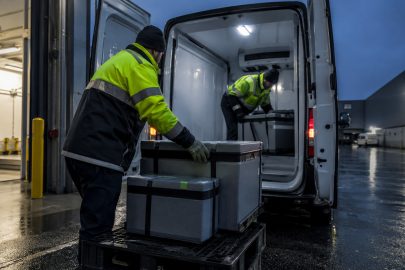
- Qualified Packaging Systems: Validated shipping containers reduce temperature risks.
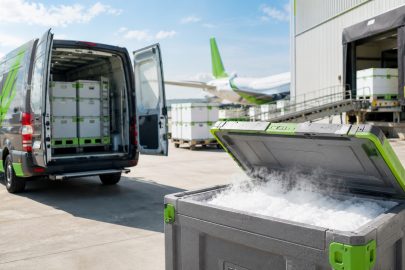
- Dry Ice Replenishment: Long-distance shipments often require proactive dry ice management.
- Emergency Response Protocols: Rapid intervention helps protect sensitive products during unexpected disruptions.
Clinical Trial Logistics During Nationwide Expansion
Clinical trial logistics become increasingly complex as study sites expand geographically. These organizations manage highly sensitive and time-critical shipments throughout research, clinical trials, and product development. Coordinating these logistics activities requires precision, visibility, and strict adherence to regulatory requirements. Common challenges include:
- Delivering investigational products to clinical trial sites on schedule
- Managing biological sample returns from research centers and laboratories
- Ensuring time-sensitive shipments reach destinations without delays
- Maintaining accurate regulatory and shipment documentation throughout transit
Even minor disruptions can impact research timelines, sample viability, and regulatory compliance, making reliable logistics support essential.
Why Dedicated Logistics Partners Matter
Many biotechnology startups initially rely on conventional parcel carriers. While this may work during early growth stages, scaling organizations often require specialized support. An experienced biotechnology logistics provider offers:
- GDP-compliant processes
- HIPAA-compliant transportation
- Temperature-controlled delivery
- Chain-of-custody documentation
- White glove handling
- Emergency logistics capabilities
- Nationwide coverage
These capabilities become increasingly important as clinical trials expand and commercial distribution begins.
How Neonline Logistics Supports Biotechnology Companies Scaling Nationwide
As biotechnology organizations expand across major U.S. life sciences markets, transportation requirements become increasingly complex.
Neonline Logistics supports biotechnology companies through:
- Dedicated Fleet Services
- Expedited Delivery Services
- Same Day Delivery
- Next Flight Out Services
- Temperature-Controlled Transportation
- Dry Ice Replenishment Services
- White Glove Logistics
- Customized Delivery Solutions
With nationwide coverage across all 50 states, 24-hour live dispatch, GDP-compliant processes, TSA-certified drivers, OSHA-trained personnel, and chain-of-custody transportation capabilities, Neonline helps biotechnology organizations maintain operational continuity throughout every growth stage.
Conclusion
Scaling a biotechnology startup requires far more than scientific innovation. As organizations expand into new markets, launch clinical trials, and move toward commercialization, logistics becomes a foundational component of long-term success.
The most successful biotechnology companies build scalable transportation networks early, incorporating temperature-controlled delivery, chain-of-custody procedures, compliance standards, and emergency response capabilities into their growth strategies.
By aligning logistics infrastructure with business expansion goals, biotechnology startups can reduce operational risks, protect product integrity, and support sustainable nationwide growth across America’s leading life sciences markets.