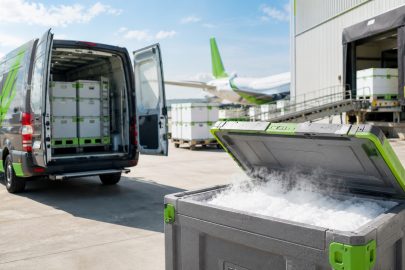
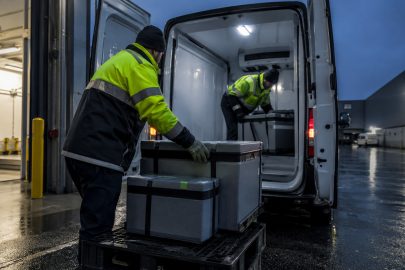
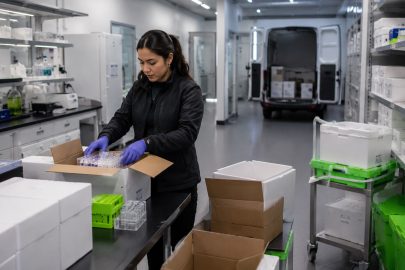
The biotechnology industry in the United States is expanding rapidly, driven by innovation in personalized medicine, biologics, cell and gene therapy, and advanced vaccine development. As the sector grows, the need for highly specialized transportation systems has become critical.
Unlike standard freight movement, Biotech Logistics involves transporting: temperature-sensitive, time-critical, and highly regulated medical materials that directly impact patient safety, research outcomes, and commercial production.
From biologic samples and clinical trial materials to vaccines and gene therapies, biotech shipments require strict compliance, secure chain-of-custody procedures, real-time visibility, and coordinated airport logistics. Even a small temperature deviation or delay can result in product loss worth thousands or even millions of dollars.
For biotech companies, pharmaceutical manufacturers, healthcare providers, and supply chain professionals, specialized transportation is a business necessity.
Key insights into biotech shipments and impact patient care, research
Rapid Growth of Biotech Manufacturing in the USA
The rise of advanced therapies and biologics has accelerated biotech manufacturing growth in the USA. Major biotech hubs such as Boston, San Diego, San Francisco, North Carolina’s Research Triangle, and Houston continue to attract investment in research, clinical trials, and pharmaceutical production.
This expansion has increased the demand for specialized transportation capable of handling:
- Clinical trial materials
- Biologic drugs
- Cell and gene therapies
- Diagnostic samples
- Vaccines
- Cryogenic shipments
Biotech products are often highly sensitive to environmental conditions, vibration, handling methods, and transit times. Traditional logistics systems are not designed to manage these complexities at scale.
As biotech manufacturing facilities continue expanding across the United States, transportation providers must support faster delivery timelines, regulatory compliance, and uninterrupted cold chain performance.
Why Standard Freight Solutions Are Not Enough
Standard shipping methods may work for general commercial goods, but biotech products require specialized handling protocols throughout the transportation process. Most biotech materials must remain within tightly controlled temperature ranges during transportation. Depending on the product, required storage conditions may include:
- Controlled room temperature (CRT)
- Refrigerated (2°C to 8°C)
- Frozen (-20°C)
- Ultra-low temperature (-70°C to -80°C)
- Cryogenic conditions using liquid nitrogen
Many biologics, vaccines, and cell-based therapies become unusable if exposed to temperature excursions even for a short duration. Specialized biotech transportation providers use:
- Validated cold chain packaging
- Active and passive thermal systems
- Temperature data loggers
- GPS-enabled monitoring
- Real-time shipment alerts
- Emergency recovery protocols
This level of monitoring helps ensure product integrity throughout transit.
Chain-of-Custody in Biotech Logistics
Maintaining a secure and documented chain-of-custody is essential in biotech transportation. Biotech shipments often contain:
- Clinical trial samples
- Investigational drugs
- Patient-specific therapies
- Controlled biological materials
- High-value pharmaceutical products
Every transfer point must be documented accurately to maintain traceability and regulatory compliance. Specialized transportation providers implement:
- Digital tracking records
- Identity verification procedures
- Tamper-evident packaging
- Real-time proof of delivery (POD)
- Secure handling documentation
Strong chain-of-custody procedures reduce the risk of contamination, theft, misidentification, or regulatory violations.
For patient-specific therapies such as CAR-T treatments, chain-of-custody failures can directly impact patient treatment timelines and outcomes.
Cell & Gene Therapy Trend Is Reshaping Transportation Needs
The growing cell & gene therapy trend is transforming the biotech logistics landscape in the United States.
Unlike traditional pharmaceuticals, many cell and gene therapies are personalized for individual patients. This creates a highly time-sensitive transportation process where delays are unacceptable. These therapies often involve:
- Collection of patient cells
- Transportation to manufacturing facilities
- Processing and genetic modification
- Return shipment to treatment centers
- This process requires:
- Precise timing
- Cryogenic shipping
- Real-time tracking
- Coordinated airport handling
- Immediate contingency planning
Because these therapies may have extremely short viability windows, specialized transportation solutions must operate with near-zero margin for error.
Biotech logistics providers supporting cell and gene therapy programs often maintain:
- 24/7 control towers
- Dedicated courier networks
- TSA-compliant airport coordination
- White-glove handling procedures
- Expedited recovery protocols
These services help reduce transit risks and maintain therapy effectiveness.
Biotech and pharmaceutical organizations across the USA often face compliance, temperature-control, and shipment integrity risks when sensitive medical products move through conventional freight networks. Companies transporting biologics, vaccines, clinical trial materials, and gene therapies typically rely on specialized biotech logistics solutions for secure cold chain management, real-time visibility, and time-critical transportation support.
Vaccine Logistics Demands Advanced Cold Chain Infrastructure
The global focus on vaccine logistics increased significantly during and after the COVID-19 pandemic, but vaccine transportation remains a long-term challenge for the biotech and pharmaceutical industries.
Vaccines are among the most temperature-sensitive healthcare products transported globally. Many require:
- Continuous refrigeration
- Frozen storage
- Ultra-cold transportation
- Strict monitoring during airport transfers
- Specialized vaccine logistics providers use:
- GDP-compliant cold chain systems
- Validated packaging
- Continuous temperature monitoring
- Thermal lane qualification
- Backup transportation planning
- Real-time tracking dashboards
Even short delays at airports or customs checkpoints can compromise vaccine integrity.
This is why airport coordination has become a critical component of biotech logistics operations.
Airport Coordination Is Critical for Time-Sensitive Shipments
Air transportation plays a major role in biotech logistics because many shipments must move rapidly across states or internationally. However, airport environments present several challenges:
- Flight delays
- Tarmac exposure
- Security inspections
- Customs processing
- Cargo transfer delays
- Temperature fluctuations
Specialized transportation providers coordinate closely with:
- Airlines
- Cargo handlers
- TSA-cleared facilities
- Airport recovery teams
- Ground transportation partners
This coordination helps minimize delays and maintain cold chain integrity.
For biotech and pharmaceutical shipments, airport recovery services may include:
- Immediate cargo retrieval
- Priority handling
- Refrigerated storage access
- Emergency re-icing
- Expedited ground transportation
Without specialized airport coordination, high-value biotech shipments face increased risk of temperature excursions and product damage.
Compliance Requirements in Biotech Transportation
Biotech transportation in the United States must comply with strict industry regulations and quality standards. Key compliance considerations include:
- FDA regulations
- Good Distribution Practice (GDP)
- HIPAA requirements
- IATA dangerous goods regulations
- TSA security protocols
- CDC transportation guidelines
- DEA compliance (when applicable)
- Transportation providers handling biotech materials must maintain:
- Validated transportation procedures
- Staff training documentation
- Temperature excursion protocols
- Shipment audit trails
- Risk mitigation systems
- Secure handling standards
For biotech companies and pharmaceutical manufacturers, working with experienced logistics providers helps reduce operational and compliance risks.
Real-Time Visibility and Risk Management
Modern biotech supply chains require continuous visibility throughout the transportation process. Real-time monitoring technologies now play a major role in specialized biotech logistics, including:
- GPS shipment tracking
- Temperature monitoring sensors
- Predictive analytics
- Geofencing alerts
- Delay notifications
- Digital chain-of-custody systems
These technologies allow logistics teams to respond immediately if issues occur during transit.
For example, if a shipment experiences a temperature deviation during airport transfer, recovery teams can intervene before product quality is compromised.
This proactive approach reduces waste, improves reliability, and protects high-value biotech inventory.
Why Specialized Transportation Partners Matter
Biotech transportation is not simply about moving cargo from one location to another. It involves protecting scientific innovation, maintaining regulatory compliance, and supporting patient care.
Specialized logistics providers understand:
- Cold chain requirements
- Regulatory expectations
- Airport coordination procedures
- Emergency recovery planning
- Chain-of-custody management
- Time-critical transportation
For biotech companies and healthcare organizations, choosing an experienced transportation partner helps ensure operational continuity and product integrity.
As biotech manufacturing growth in the USA continues accelerating, demand for specialized logistics infrastructure will only increase.
How Neonline Logistics Supports Specialized Biotech Transportation
Neonline Logistics supports biotech companies, pharmaceutical manufacturers, healthcare providers, and supply chain organizations with specialized transportation solutions designed for time-critical and temperature-sensitive shipments across the United States.
From secure vaccine logistics and biologic transportation to airport on ground services and chain-of-custody management,we operate in environments where compliance, visibility, and rapid coordination are essential.
With expertise in HIPAA-compliant transportation, TSA-cleared airport coordination, same-day critical deliveries, and cold chain logistics support, our logistics solution helps reduce risks associated with delays, temperature excursions, and shipment disruptions.
Our logistics network is built to support the growing demands of biotech manufacturing growth in the USA, including the increasing complexity of cell & gene therapy trends and high-value pharmaceutical transportation.
Neonline Logistics also provides:
- Real-time shipment tracking
- Secure proof of delivery (POD)
- Expedited recovery services
- Temperature-sensitive transportation support
- Specialized airport cargo coordination
- Time-critical same-day logistics solutions
For biotech and healthcare organizations handling sensitive medical products, choosing an experienced logistics partner like Neonline Logistics can help improve supply chain reliability, compliance readiness, and operational efficiency.
Conclusion
The biotech industry depends on transportation systems that can support compliance, temperature sensitivity, secure chain-of-custody, and coordinated airport operations. Standard freight methods cannot meet the complexity of transporting biologics, vaccines, and advanced therapies safely.
With the continued rise of cell & gene therapy trends, vaccine logistics expansion, and biotech manufacturing growth in the USA, specialized transportation solutions have become essential for protecting products, maintaining compliance, and ensuring patient safety.
For biotech companies, pharmaceutical manufacturers, and healthcare supply chain leaders, investing in experienced biotech logistics support is critical for long-term operational success.