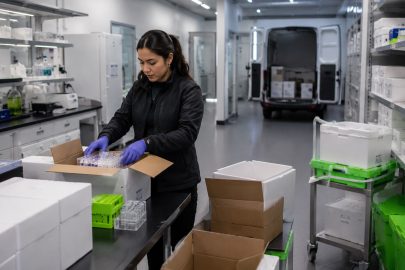
Every pharmaceutical shipment is only as reliable as the cold chain that protects it. Whether transporting vaccines, biologics, clinical trial materials, or specialty medications, even brief exposure to temperatures outside the validated range can lead to product loss, regulatory concerns, and costly supply chain disruptions.
The good news is that most transportation-related temperature excursions are preventable. By combining validated temperature-controlled transportation, GDP-compliant handling practices, continuous monitoring, and logistics companies, pharmaceutical companies can significantly reduce cold chain risks while protecting product quality from pickup to delivery.
Here we explain what causes pharmaceutical temperature excursions, how to prevent them, and the transportation best practices that help maintain cold chain integrity for every shipment.
Key Takeaways
What is a temperature excursion in pharmaceutical cold chain logistics?
A pharmaceutical temperature excursion occurs when a medication, vaccine, biologic, or other temperature-sensitive healthcare product is exposed to temperatures outside its approved storage or transportation range. Even a short deviation can affect product stability depending on the product’s formulation, duration of exposure, and manufacturer’s stability data.
Many pharmaceuticals require transportation between 2°C and 8°C, while frozen and ultra-low temperature products have more stringent requirements. Maintaining these validated temperature ranges throughout transportation is essential to preserving product integrity.
Temperature Excursion vs. Pharmaceutical Cold Chain Deviation
Although often used interchangeably, these terms have different meanings.
A temperature excursion specifically refers to exposure outside the approved temperature range.
A pharmaceutical cold chain deviation is broader and may include packaging failures, shipping delays, incorrect handling, documentation issues, or any event that compromises cold chain integrity, even if no temperature breach occurs.
Understanding this distinction helps logistics teams investigate transportation issues more effectively while maintaining compliance with Good Distribution Practice (GDP) guidelines.
Which pharmaceutical products are most sensitive?
Temperature excursions present the highest risk for:
- Vaccines
- Biologics
- Cell and gene therapies
- Clinical trial materials
- Blood products
- Specialty pharmaceuticals
- Laboratory specimens
These products often have limited stability outside validated storage conditions, making proper transportation critical.
What causes pharmaceutical temperature excursions?
Unexpected traffic, weather events, airport disruptions, and delivery scheduling issues can extend transit times beyond validated packaging performance.
Time-critical pharmaceutical shipments benefit from dedicated temperature controlled delivery services that minimize unnecessary delays while maintaining validated temperature ranges.
Refrigeration Equipment Failures
Temperature-controlled vehicles and portable refrigeration equipment require regular maintenance and validation. Mechanical failures or incorrect equipment settings can result in unacceptable temperature fluctuations during transport.
Packaging and Dry Ice Issues
Improperly conditioned gel packs, insufficient insulation, damaged shipping containers, or depleted dry ice can reduce a package’s ability to maintain the required temperature throughout transit.
Validated packaging should always match the shipment duration and environmental conditions.
Handling Errors
Repeated door openings, prolonged loading times, improper staging, or storing shipments outside designated temperature-controlled areas can increase the likelihood of excursions.
Following standardized handling procedures helps maintain cold chain integrity throughout transportation.
Why GDP compliance matters
Good Distribution Practice (GDP) establishes standards for transporting medicinal products while maintaining their quality throughout the supply chain.
GDP-compliant logistics providers follow documented procedures that reduce transportation risks and improve shipment traceability.
Maintain Chain of Custody
Chain of custody documents every transfer of responsibility from pickup through final delivery.
This documentation provides transparency throughout transportation and supports investigations when a shipment experiences a temperature excursion.
Document Every Shipment
GDP emphasizes maintaining accurate transportation records, including:
- Temperature monitoring data
- Shipment timelines
- Delivery confirmations
- Packaging verification
- Handling records
Well-maintained documentation improves audit readiness while strengthening customer confidence.
Work with Qualified Transportation Providers
Experienced pharmaceutical logistics providers understand validated handling procedures, temperature-controlled transportation requirements, and time-critical delivery expectations.
Selecting qualified transportation partners reduces operational risks throughout the pharmaceutical supply chain.
What should you do when a temperature excursion occurs during transport?
Immediately Secure the Shipment
Once a temperature excursion is detected, the shipment should remain secure while preserving its chain of custody.
Avoid unnecessary movement or additional handling until the customer provides further instructions.
Review Temperature Monitoring Records
Temperature data loggers provide valuable information about:
- When the excursion occurred
- How long it lasted
- Maximum and minimum temperatures reached
These records help customers evaluate the shipment using their internal quality procedures.
Notify the Customer Immediately
Rapid communication is essential.
The pharmaceutical manufacturer, laboratory, hospital, or healthcare provider should receive temperature reports and shipment documentation as soon as possible.
Early notification allows customers to assess the shipment without unnecessary delays.
Maintain Complete Transportation Records
Accurate shipment documentation supports regulatory compliance and demonstrates that proper transportation procedures were followed.
Maintaining complete records also simplifies customer reviews and future audits.
Coordinate Rapid Transportation Solutions
If replacement shipments are required, Temperature Controlled Delivery services help maintain validated temperature ranges, reduce operational disruptions, and support continuity for critical pharmaceutical shipments.
For temperature-sensitive shipments delayed at airports, rapid dry ice replenishment services help maintain required temperatures, preserve cold chain integrity, and minimize the risk of product loss until transportation resumes.
How logistics providers help prevent pharmaceutical temperature excursions
Qualified vehicles designed for pharmaceutical transportation maintain consistent environmental conditions throughout transit, reducing the likelihood of temperature fluctuations.
Verify Packaging Before Dispatch
Checking insulated packaging, coolant conditioning, and dry ice levels before shipment helps ensure products remain within validated temperature ranges for the planned journey.
Minimize Transit Times
Dedicated transportation, optimized routing, and direct deliveries reduce unnecessary handling and lower the risk of pharmaceutical cold chain deviations.
Maintain Continuous Shipment Visibility
Temperature monitoring, shipment tracking, and 24-hour dispatch support enable rapid response when transportation conditions change unexpectedly.
Protect Chain of Custody
Every shipment handoff should be documented to preserve accountability, maintain transparency, and support regulatory compliance throughout transportation.
Best practices for cold chain excursion management
Validate Transportation Processes Regularly
Regular reviews of transportation procedures, equipment, and packaging help identify opportunities to reduce excursion risks.
Train Drivers and Handling Personnel
Personnel involved in pharmaceutical transportation should understand temperature-sensitive handling requirements, documentation procedures, and emergency response protocols.
Reduce Handling Points
Limiting transfers between vehicles or facilities decreases opportunities for temperature fluctuations and physical damage.
Plan for Transportation Disruptions
Contingency planning helps maintain cold chain integrity during traffic delays, severe weather, equipment failures, or flight cancellations.
Partner with neonline for pharmaceutical logistics
Neonline Logistics supports healthcare and pharmaceutical organizations with GDP-compliant Temperature Controlled Delivery services, validated transportation processes, continuous shipment visibility, chain of custody management, and dry ice replenishment support for airport-delayed shipments to help maintain product integrity throughout the cold chain.