Procurement teams should expect a specialized last-mile logistics courier to provide much more than delivery services. The right logistics partner should offer dedicated capacity, regulatory compliance, real-time visibility, chain of custody documentation, temperature-controlled transportation, emergency response capabilities, and industry-specific expertise.
For organizations operating in healthcare, biotechnology, pharmaceutical, aviation, manufacturing, and technology sectors, last-mile delivery performance directly impacts patient care, clinical trial timelines, production schedules, aircraft uptime, inventory availability, and customer satisfaction.
The best specialized couriers become an extension of your operations team, helping reduce risk while improving service reliability across the supply chain.
Key Takeaways
Why Last-Mile Logistics Has Become a Procurement Priority
For many organizations, transportation failures occur during the final stage of the delivery process. The last mile is often the most operationally complex segment of the supply chain because it involves:
- Time-sensitive deliveries
- Multiple delivery locations
- Strict appointment schedules
- Regulatory requirements
- Specialized handling procedures
- Real-time communication needs
While transportation costs remain important, procurement leaders increasingly recognize that service failures during the last mile can create significantly greater financial and operational consequences.
- A delayed laboratory specimen can impact diagnostic testing.
- A missed pharmaceutical delivery can affect patient treatment schedules.
- A late aircraft part can extend costly downtime.
- A production component delay can halt manufacturing operations.
As a result, procurement teams are placing greater emphasis on logistics quality, reliability, and operational expertise when selecting transportation providers.
What Makes a Last-Mile Logistics Courier “Specialized”?
Not all couriers are equipped to handle mission-critical deliveries.
Traditional courier services often focus on standard package transportation. Specialized logistics couriers are designed to support industries where precision, compliance, and reliability are essential. A specialized last-mile logistics provider typically offers:
- Dedicated transportation resources
- Industry-specific training
- Compliance-focused operations
- Chain of custody procedures
- Temperature-controlled delivery
- White glove handling
- Emergency transportation services
- Real-time shipment visibility
These capabilities help organizations reduce risk while maintaining operational continuity.
Real-Time Visibility Should Be a Standard Requirement
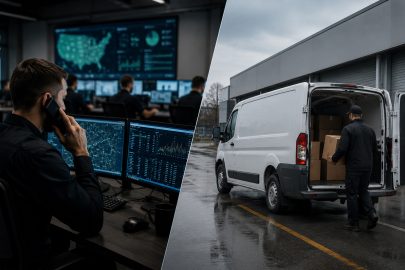
Modern procurement teams need access to shipment information at all times. Visibility is no longer a luxury. It is an operational requirement. A specialized logistics courier should provide:
- Real-time tracking
- Shipment status updates
- Proof of delivery documentation
- Exception notifications
- Escalation procedures
This visibility allows operations teams to proactively manage disruptions before they impact customers, patients, manufacturing schedules, or business operations.
Compliance Should Be Built Into Every Process
Compliance failures can create significant legal, financial, and reputational risks. Procurement teams should carefully evaluate a provider’s compliance capabilities.
HIPAA-Compliant Processes
Healthcare organizations require transportation partners capable of protecting sensitive information and supporting patient privacy requirements.
GDP-Compliant Procedures
Pharmaceutical and biotechnology organizations should expect transportation providers to follow Good Distribution Practice (GDP) standards designed to protect product quality throughout transit.
Driver Qualifications and Safety Programs
Procurement teams should verify:
- Driver training standards
- Safety certifications
- Insurance coverage
- Regulatory compliance programs
Transportation providers should demonstrate documented processes rather than simply claiming compliance.
Chain of Custody for High-Value and Sensitive Shipments
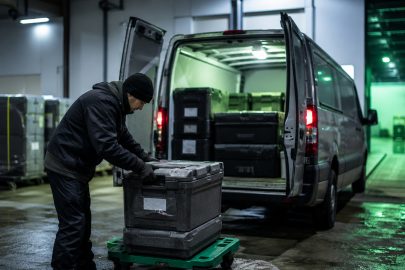
Chain of custody documentation helps ensure shipment accountability throughout the transportation process. A specialized courier should be capable of documenting:
- Shipment pickup
- Transfer points
- Driver handoffs
- Delivery confirmation
- Authorized recipient verification
Chain of custody procedures are especially important for:
- Clinical trial materials
- Biological specimens
- Medical devices
- Pharmaceuticals
- Laboratory samples
For many organizations, chain of custody documentation is not simply a best practice. It is a compliance requirement.
Temperature-Controlled Transportation Is a Critical Procurement Requirement
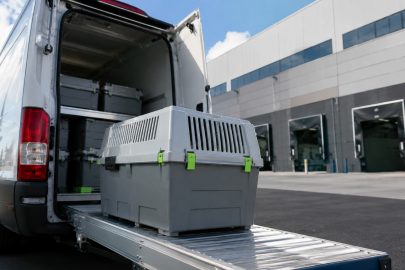
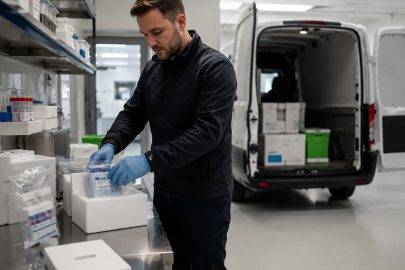
Temperature-sensitive shipments continue to increase as healthcare and biotechnology industries expand. Many products require strict temperature maintenance throughout transportation. Procurement teams should expect providers to offer:
Temperature-Controlled Delivery: Validated transportation solutions capable of maintaining required temperature ranges.
Temperature Monitoring: Continuous monitoring helps identify and address potential temperature excursions before product integrity is compromised.
Dry Ice Replenishment Services: Long-distance shipments often require active dry ice management to maintain stability.
Temperature Excursion Response Procedures: Providers should have documented corrective action plans for unexpected temperature events.
For specialized last-mile logistics, Dedicated Fleet Services, Same-Day Delivery, Next Flight Out (NFO), Temperature-Controlled Transportation, Chain of Custody, and White Glove Handling from Neonline Logistics ensure reliable, compliant, and time-critical deliveries. These services improve visibility, reduce operational risk, and support uninterrupted healthcare, biotech, manufacturing, and aviation operations.
Dedicated Capacity Matters During Critical Deliveries
One of the most common challenges procurement teams face is transportation availability. General carrier networks often experience capacity constraints during:
- Peak shipping seasons
- Severe weather events
- Supply chain disruptions
- Emergency situations
A specialized logistics provider should offer access to dedicated transportation resources.
- Faster dispatch
- Guaranteed capacity
- Consistent service levels
- Improved delivery performance
- Reduced transportation risk
Dedicated fleet solutions are particularly valuable for healthcare, pharmaceutical, biotechnology, manufacturing, and aviation organizations where delays can create significant operational consequences.
Emergency Response Capabilities Separate Best Providers From Average Ones
The true value of a logistics partner often becomes apparent during unexpected disruptions. Procurement teams should evaluate a provider’s ability to respond during emergencies.
- Is dispatch available 24 hours a day?
- Can emergency shipments be mobilized immediately?
- Are expedited transportation services available?
- Does the provider offer Next Flight Out solutions?
- What escalation procedures exist for urgent situations?
Organizations operating mission-critical supply chains require providers capable of supporting operations at any hour.
Questions Procurement Teams Should Ask Before Selecting a Last-Mile Logistics Provider
Before signing a transportation agreement, procurement leaders should ask:
- Does the provider have experience in our industry?
- Can they support temperature-controlled transportation?
- Are HIPAA-compliant and GDP-compliant processes available?
- Do they provide chain of custody documentation?
- Is dedicated fleet capacity available?
- How are emergency deliveries managed?
- What visibility tools are offered?
- What are their on-time delivery metrics?
- Can they support nationwide operations?
- Is 24-hour dispatch available?
The answers often reveal whether a provider is capable of supporting critical business operations.
Why Procurement Teams Partner With Neonline Logistics
Procurement leaders need logistics partners capable of supporting both routine deliveries and mission-critical transportation requirements.
Neonline Logistics provides specialized last-mile logistics solutions designed for healthcare, pharmaceutical, biotechnology, laboratory, medical device, aviation, manufacturing, and technology organizations. Our capabilities include:
- Dedicated Fleet Services
- Same-Day Delivery
- Expedited Transportation
- Next Flight Out Services
- White Glove Handling
- Temperature-Controlled Delivery (2°C to 8°C)
- Dry Ice Replenishment Services
- Chain of Custody Transportation
- Hot Shot Services
- Customized Logistics Solutions
Additional advantages include:
- Nationwide Coverage Across All 50 States
- 24-Hour Live Dispatch
- TSA-Certified Drivers
- OSHA-Trained Teams
- HIPAA-Compliant Processes
- GDP-Compliant Procedures
- 99% On-Time Delivery Performance
Whether supporting a biotechnology company in the San Francisco Bay Area, a pharmaceutical manufacturer in North Carolina’s Research Triangle, a hospital network in Philadelphia, or an aviation maintenance operation in Houston, Neonline helps procurement teams improve reliability while reducing transportation risk.
Conclusion
Transportation procurement is no longer solely about securing the lowest delivery rate. Today’s procurement teams are responsible for protecting operational continuity, managing compliance risks, improving service reliability, and supporting organizational growth.
A specialized last-mile logistics courier should provide far more than transportation capacity. The right partner delivers industry expertise, dedicated resources, compliance support, real-time visibility, temperature-controlled transportation, chain of custody documentation, and emergency response capabilities.
Organizations that evaluate logistics providers through this broader strategic lens are better positioned to reduce risk, improve supply chain resilience, and achieve long-term operational success.