Transporting research materials is very different from shipping a regular package. In laboratories, every shipment carries something valuable like a living subject, a rare biological sample, or research material that took months to develop.
For research teams across California, the transportation of live animals or biological specimens is not just a logistics task. It is a matter of regulatory compliance, scientific integrity, and ethical responsibility.
A single shipment may contain a genetically modified research animal, a cryogenic tissue sample, or a time-sensitive biological specimen needed for an ongoing experiment. If something goes wrong during transport, the consequences can go far beyond a delayed delivery.
In many cases, the material cannot be replaced. Research timelines may be pushed back by months. Institutional review boards may investigate the failure. Funding can be jeopardized.
This is why choosing the right live animal courier service California research labs can rely on becomes critical.
Many standard courier companies are built to move packages quickly, but they are not designed to handle regulated biological shipments or live research animals. The training, documentation, temperature control, and regulatory knowledge required for these shipments are far more complex than typical logistics operations.
This guide explains what research labs in California should expect from a logistics partner including the regulatory framework, the most common courier failures, and the non-negotiable standards that protect both research and animal welfare.
Live Animals vs. Biological Specimens: Different Cargo, Same Demand for Precision
Research institutions typically transport two types of regulated cargo: live research animals and biological specimens.
While these shipments are very different in nature, they share one important requirement which is precision and compliance at every step of the transport process.
Live Research Animals
Live animal transport is heavily regulated to protect animal welfare and research integrity. Commonly transported research species include:
- Rodents
- Ferrets
- Felines
- Porcine models
- Non-human primates
Live mice shipments are governed by regulatory frameworks such as the Animal Welfare Act (AWA) and oversight bodies like USDA APHIS and Institutional Animal Care and Use Committees (IACUC). Transport procedures must ensure the animals remain safe, healthy, and stress-free throughout the journey.
Biological Specimens
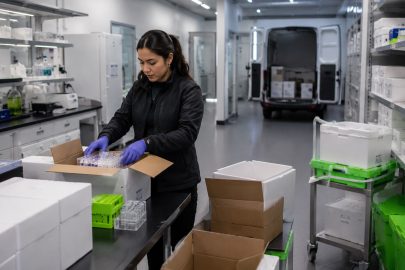
Biological specimen transport research labs USA frequently require includes:
- Blood samples
- Tissue samples
- Genetic material
- STAT medical specimens
- Cryogenic research samples
These materials are governed by IATA, CDC, DOT, and state health regulations, each of which defines strict rules for packaging, labeling, and documentation.
While some couriers specialize in specimen transport and others handle live animals, very few providers can manage both categories with full regulatory compliance.
California adds another layer of complexity. Certain species and biological materials require additional permits at the state level. For example, the transport of non-human primates into California may require permits from the California Department of Health.
For research teams, this means choosing a courier partner that understands both federal and California-specific regulatory frameworks.
USDA, IACUC, IATA, and California State Rules: The Compliance Stack Research Labs Can’t Ignore
Transporting regulated biological cargo is governed by several overlapping compliance layers. Each one serves a different purpose, but together they create the safety framework that research institutions must follow.
USDA and the Animal Welfare Act
The Animal Welfare Act sets minimum standards for the transportation of regulated animal species used in research. These standards are enforced by the USDA Animal and Plant Health Inspection Service (APHIS).
Any courier providing USDA compliant live animal delivery California research institutions rely on must meet strict requirements.
Institutional Animal Care and Use Committees (IACUC)
Every research institution operating with animals must maintain an IACUC committee responsible for animal welfare oversight.nTransportation is part of that oversight.
In practice, this means an untrained courier driver cannot legally handle research animal shipments. Training records must exist and be documented.
Temperature and Containment Standards
Environmental conditions during transport must be carefully controlled.
For example:
- Animals must not remain outside approved housing for extended periods
- Cold weather conditions require insulation or warming materials
- Airflow around cages must remain unobstructed
These details may seem small, but they directly affect animal welfare and regulatory compliance.
Biological Specimen Transport Regulations
Biological specimens are governed primarily by IATA regulations, particularly Packaging Instruction P650.
These regulations define:
- Packaging requirements
- Labeling standards
- Containment procedures
- Hazard classification
For research institutions, this regulatory stack means that the courier partner must do more than simply move packages. They must operate with documented training, regulatory awareness, and traceable chain-of-custody procedures.
Why Most Couriers Fail Research Labs
Research institutions often assume that any courier capable of same-day delivery can handle biological shipments.nIn reality, most logistics failures in research transport occur because the courier was not equipped to manage regulated cargo. Three failures appear most frequently.
Untrained Handlers
Transporting live animals requires specific handling procedures.
Animals must remain alert, mobile, and comfortable unless otherwise specified in the approved research protocol. Handling mistakes during pickup or transit can place the institution in immediate violation of IACUC standards.
When drivers lack proper training, the shipment becomes a compliance risk the moment it leaves the facility.
Temperature or Containment Failures
Biological specimens often depend on strict temperature control to remain viable.
Even small temperature fluctuations can compromise:
- Blood samples
- Tissue samples
- Cell cultures
- Genetic material
Similarly, improper ventilation or insulation during animal transport can cause stress or harm.
In these cases, the cost of failure is not just the shipment. Entire research experiments may become invalid.
Chain-of-Custody Breakdowns
Many national courier networks rely on multi-stop routes and multiple handoffs.
- For standard packages, this approach is efficient.
- For regulated research shipments, it creates risk.
Every handoff introduces a break in the chain of custody. During regulatory audits, undocumented custody gaps can raise serious compliance concerns.
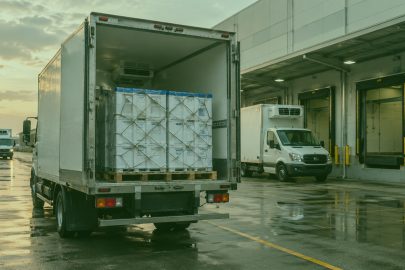
This is why many labs prefer same day biological specimen courier services that operate with direct routes and single-driver accountability.
Cryogenic Specimen Transport
Modern research increasingly depends on cryogenic materials.These may include:
- Genetic samples
- Stem cells
- Fertility research materials
- Tissue cultures
- Long-term preserved biological samples
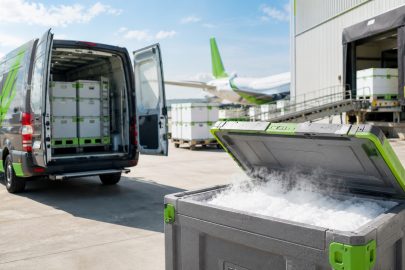
These materials are often transported in dry shippers filled with liquid nitrogen, capable of maintaining temperatures near -196°C. Cryogenic transport introduces additional complexity.
The container must remain upright during transit. Temperature stability must be maintained. The shipment must avoid prolonged exposure to heat or environmental fluctuations.
Specialized containers often include:
- Absorbent materials to prevent liquid nitrogen leakage
- Temperature sensors and data loggers
- Extended hold-time insulation
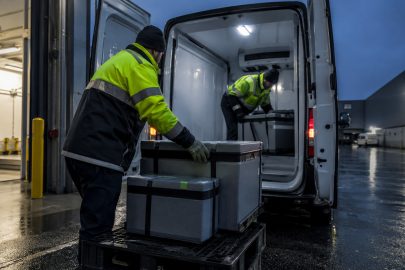
In many cases, the courier effectively acts as an escort for the specimen, ensuring that the container is handled correctly throughout the journey.
Cryogenic transport typically requires:
- Validated dry shippers
- Continuous temperature monitoring
- Direct transport routes
- No third-party handling
This level of care is especially important for fertility clinics, biotech firms, and advanced research laboratories.
6 Non-Negotiable Requirements for Courier Handling Research Animals or Biological Specimens in California
Before selecting a logistics provider, research labs should verify that the courier meets several key operational standards.
USDA Registration
Couriers transporting regulated animal species must maintain USDA APHIS registration when required.
Documented Driver Training
Handlers must receive training in animal transport procedures, and those records should be available for verification.
Species-Specific Handling Protocols
Different species require different care procedures. Transport protocols should reflect those differences.
Real-Time Tracking
Shipment tracking should provide visibility throughout transit, including timestamps for chain-of-custody documentation.
Direct Routing
Research shipments should move directly from pickup to delivery without shared loads or unnecessary stops.
24/7 Operational Availability
Research schedules do not follow business hours. Courier partners must be available whenever urgent transport is required.
Why a California-Based Courier Partner Changes Everything for Research Labs
California is home to one of the largest life sciences ecosystems in the world. Major research hubs include:
- Stanford University
- UCSF
- Scripps Research
- Genentech
- Gilead Sciences
Alongside these institutions are hundreds of emerging biotech startups and clinical research organizations. With so many facilities operating across the state, transportation between campuses is common.
A courier operating locally within California understands the geography, regulatory environment, and urgency of research logistics.
Local providers can dispatch faster, navigate the research corridor between the Bay Area and Southern California efficiently, and maintain compliance with state-specific requirements.
For laboratories requiring live animal courier service California institutions trust, proximity matters. A regional courier partner can often respond within hours rather than days.
The Right Courier Isn’t Just Fast, They’re Trained, Compliant, and Ready at 2 AM
In research logistics, speed alone is not enough.A reliable courier partner must combine speed with training, compliance, and accountability.
When a shipment contains live animals or irreplaceable biological specimens, the courier becomes part of the research process itself. The right logistics partner provides:
- trained handlers
- documented chain-of-custody
- real-time shipment visibility
- direct routing without unnecessary handoffs
Many laboratories only discover gaps in their courier’s capabilities after a failure.By then, the cost has already been paid in lost research time, regulatory complications, or compromised specimens.
Neonline Logistics works with research laboratories, biotech companies, and life science institutions across California to provide same-day biological specimen courier services and compliant live animal transport.
Our team operates 24/7 with trained personnel, real-time tracking, and direct delivery routes designed for regulated research shipments.
If your next shipment cannot afford delays or compliance risks, working with the right courier partner makes all the difference.
Request a same-day quote or speak with our logistics team today.